

Product Categories
- Atom Cutter Cutting Knives Knife Blades For Sale
- Axyz Cutter Cutting Knives Knife Blades For Sale
- Aristo Cutter Cutting Knives Knife Blades For Sale
- Blackman & White Cnc Knives Knife Blades For Sale
- Bullmer Cutter Cutting Knives Knife Blades
- Colex Cutter Cutting Knives Knife Blades For Sale
- Colex Milling & Router Bits For Sale Shop Online
- Comelz Cutter Cutting Knives Knife Blades For Sale
- Comagrav Cnc Knives Knife Blades For Sale Shop
- Esko Kongsberg End Mill Cutters And Router Bits
- Esko Kongsberg Cutter Cutting Knives Knife Blades
- Eastman Cnc Knives Knife Blades For Sale Shop
- Ecocam Tangential Knives Knife Blades For Sale
- Elitron Cnc Knives Knife Blades For Sale Shop
- Fk Group Cnc Knives Knife Blade For Sale Shop
- Filiz Cnc Knives Knife Blade For Sale Shop
- Gerber Cutter Cutting Knives Knife Blades For Sale
- Humantec Cnc Knives Knife Blade For Sale Shop
- Investronica Cnc Knives Knife Blade For Sale Shop
- Iecho Cnc Knives Knife Blades For Sale Shop Replac
- JingWei JWei Cnc Knives Knife Blades For Sale Shop
- Kawakami Cnc Knives Knife Blade For Sale Shop
- Kuris Cnc Knives Knife Blades For Sale Shop
- Lectra Cnc Knives Knife Blades For Sale Shop
- Multicam Cutter Knives Cutting Knife Blades
- Mimaki Cnc Knives And Plotter Cutter Knife Blades
- RuiZhou Cnc Knives Knife Blades For Sale Shop
- Ronchini Cnc Knives Knife Blades For Sale Shop
- Summa Cutter Cutting Knives Knife Blades For Sale
- Summa End Mill Cutters And Router Bits
- Talamoni Cnc Knives Knife Blade For Sale Shop
- Teseo Cnc Knives Knife Blades For Sale Shop
- Wild Cnc Knives Knife Blade For Sale Shop
- Zund Cutter Cutting Knives Knife Blades For Sale
- Zund End Mill Cutters And Router Bits
- Other Tungsten Carbide Cutting Knives Knife Blades
- Protek Cnc Knives Knife Blades For Sale Shop
- Vinyl Cutter Blades,Plotter Cutting Blades Sale
- Other Cloth Cutting Knife Blades For Sale Shop
- Aluminum End Mill Cnc Router Tools Cutter Bits
- Milling Router Bits Routing Cutters For Sale Shop
- Tungsten Carbide Digital Vinyl Cutter Knife Blades
- Textile Blades,Textile Knives,Non-woven Cutters
- Notching & Punching Tools For Sale Shop
- Paper Cutting Knives Knife Blade For Sale Shop
- Carbide reversible knives,Replacement Tip Turnover
- Conveyor Belts Cutting Underlay Felt Pad For Sale
- Sharpening Disk Grinding Wheels Stones Drums Sale
- Knife for Button Hole Machine,Button Hole Knives
- Valiani Cnc Knives Knife Blades For Sale Shop
- Flatbed Digital Cutting System Tools Accessories
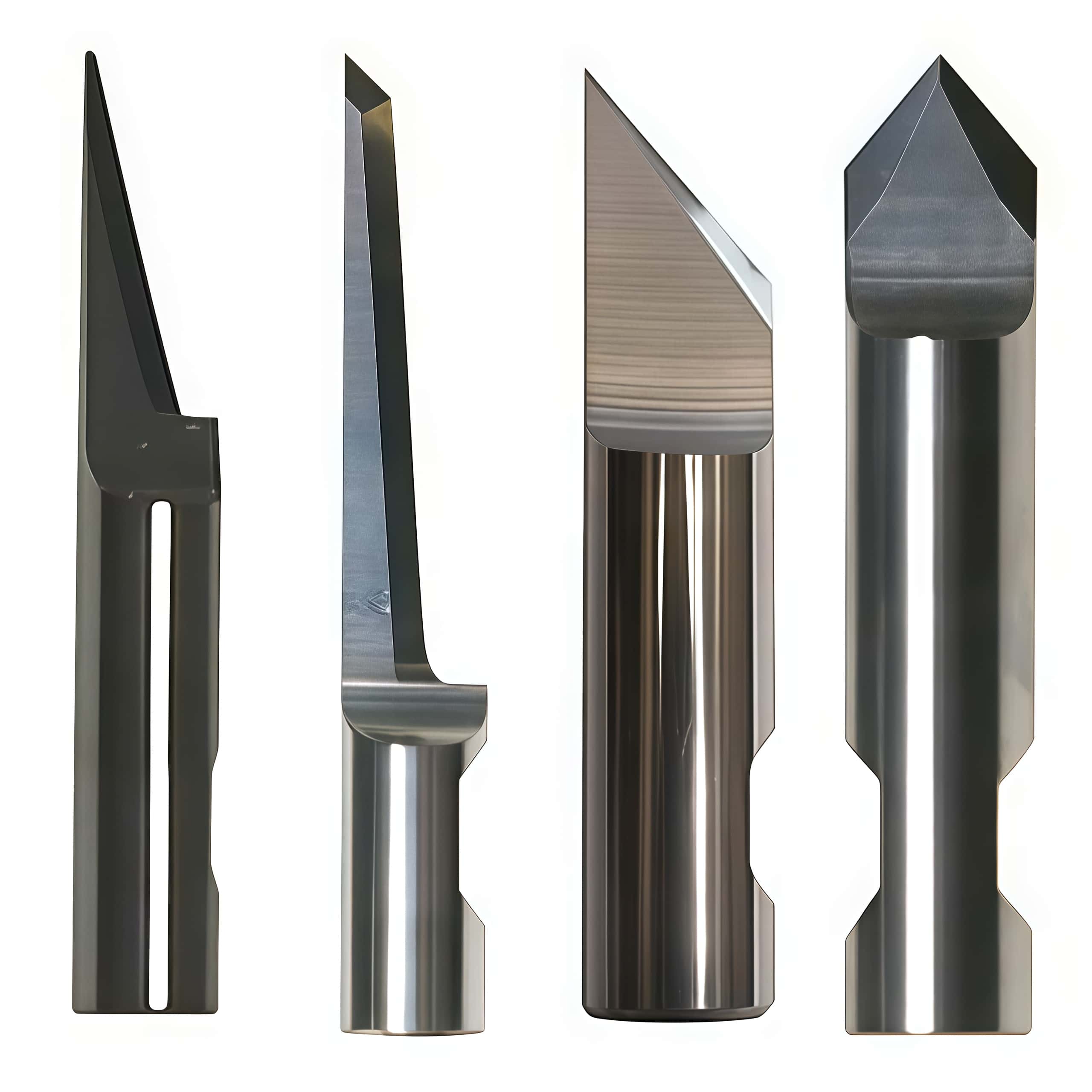
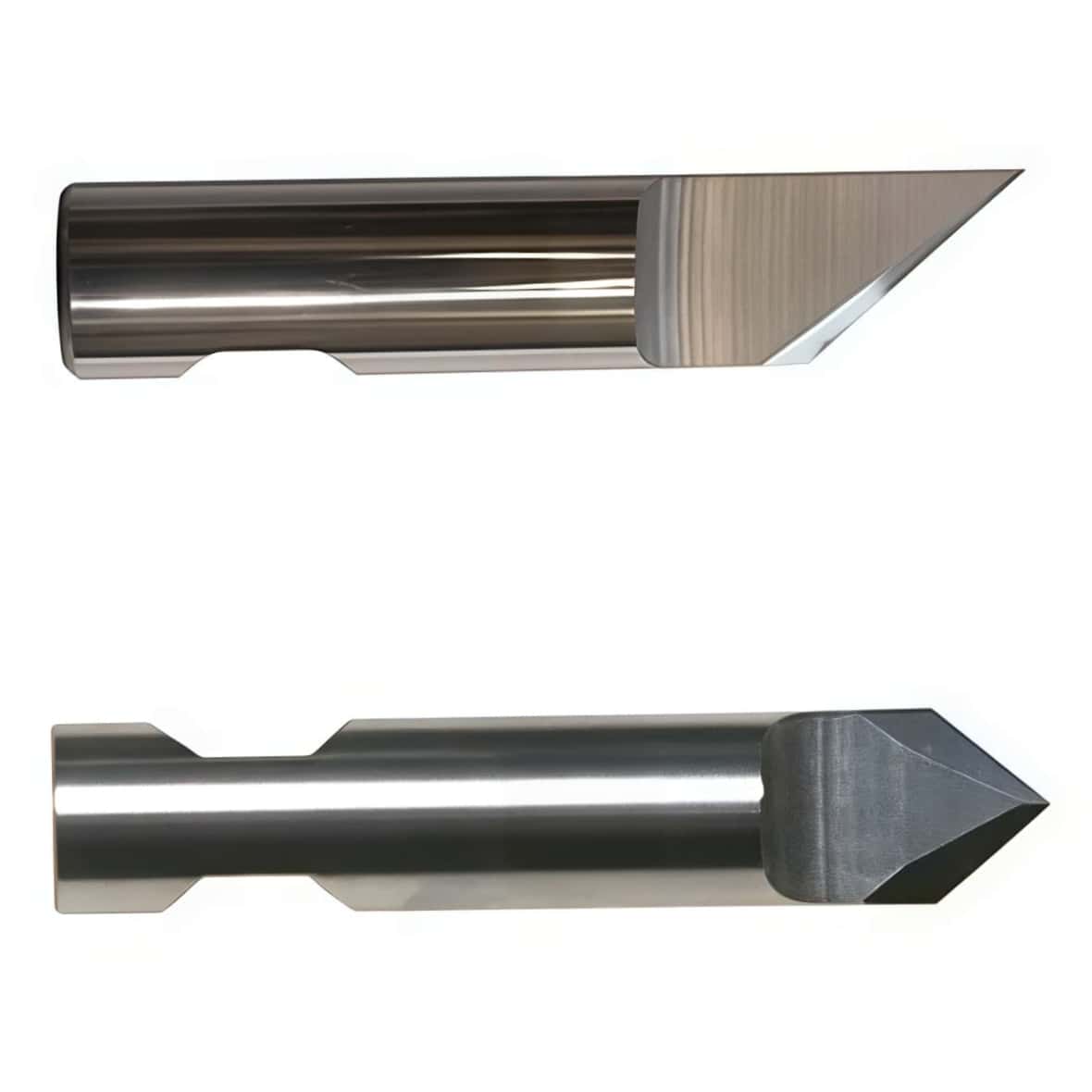
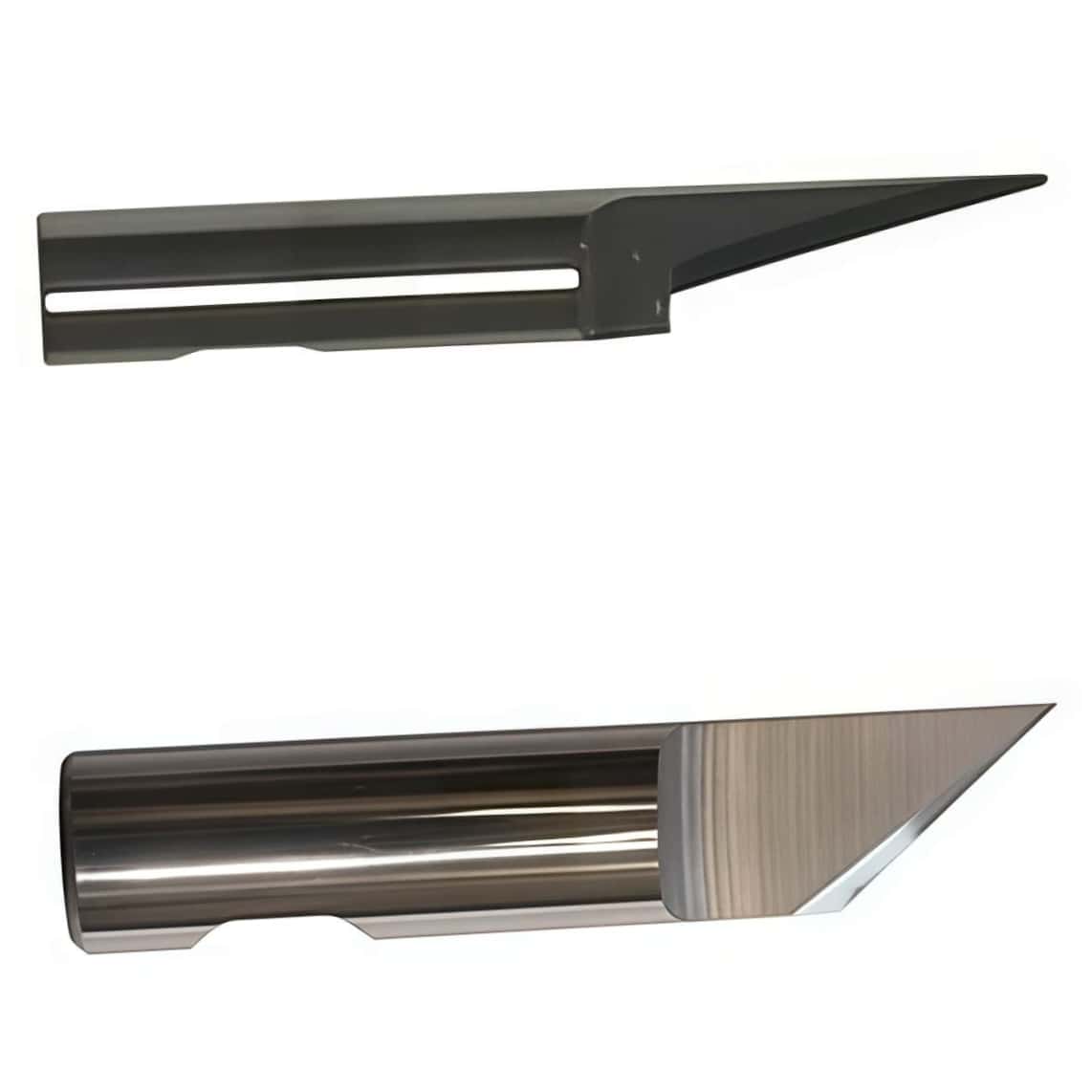
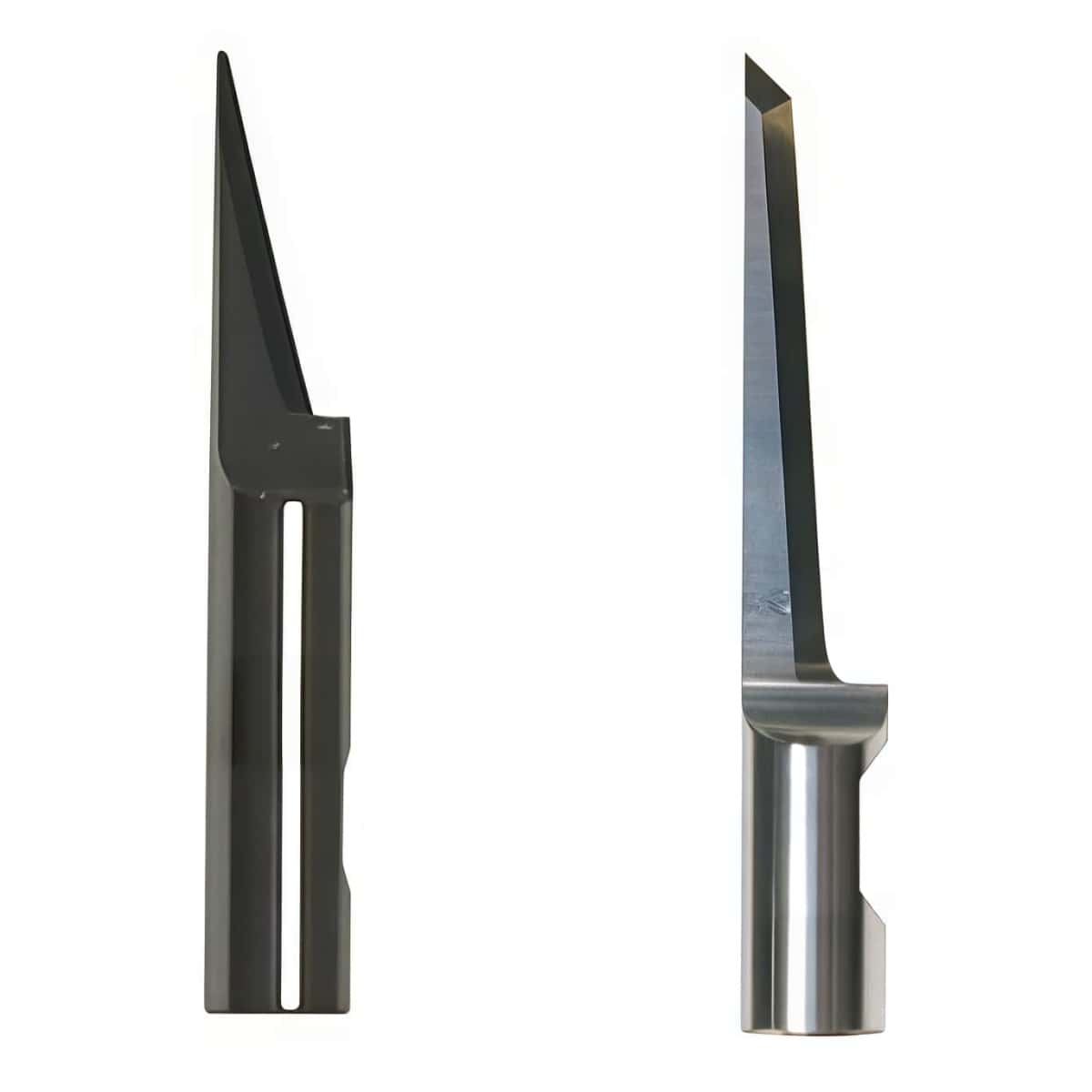


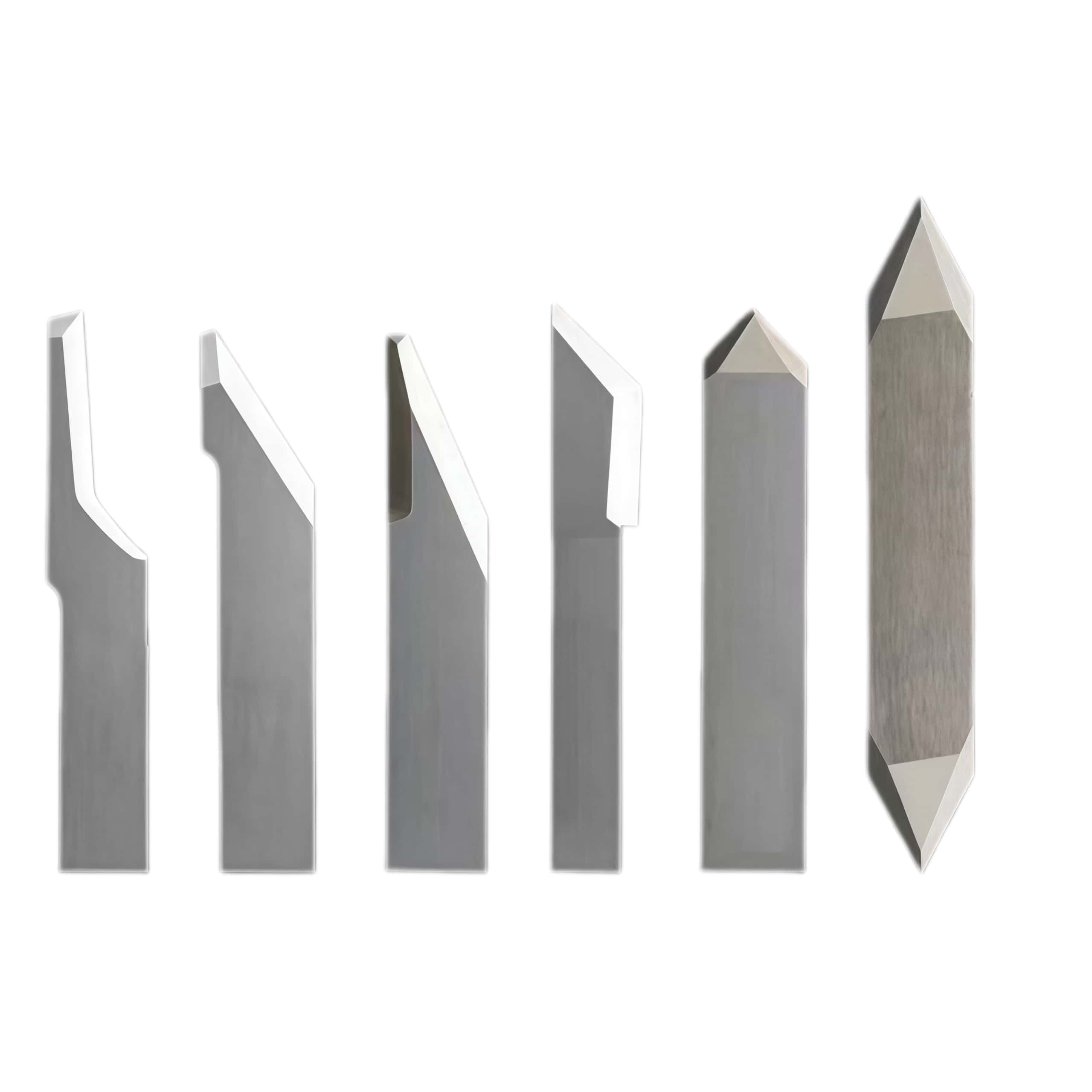
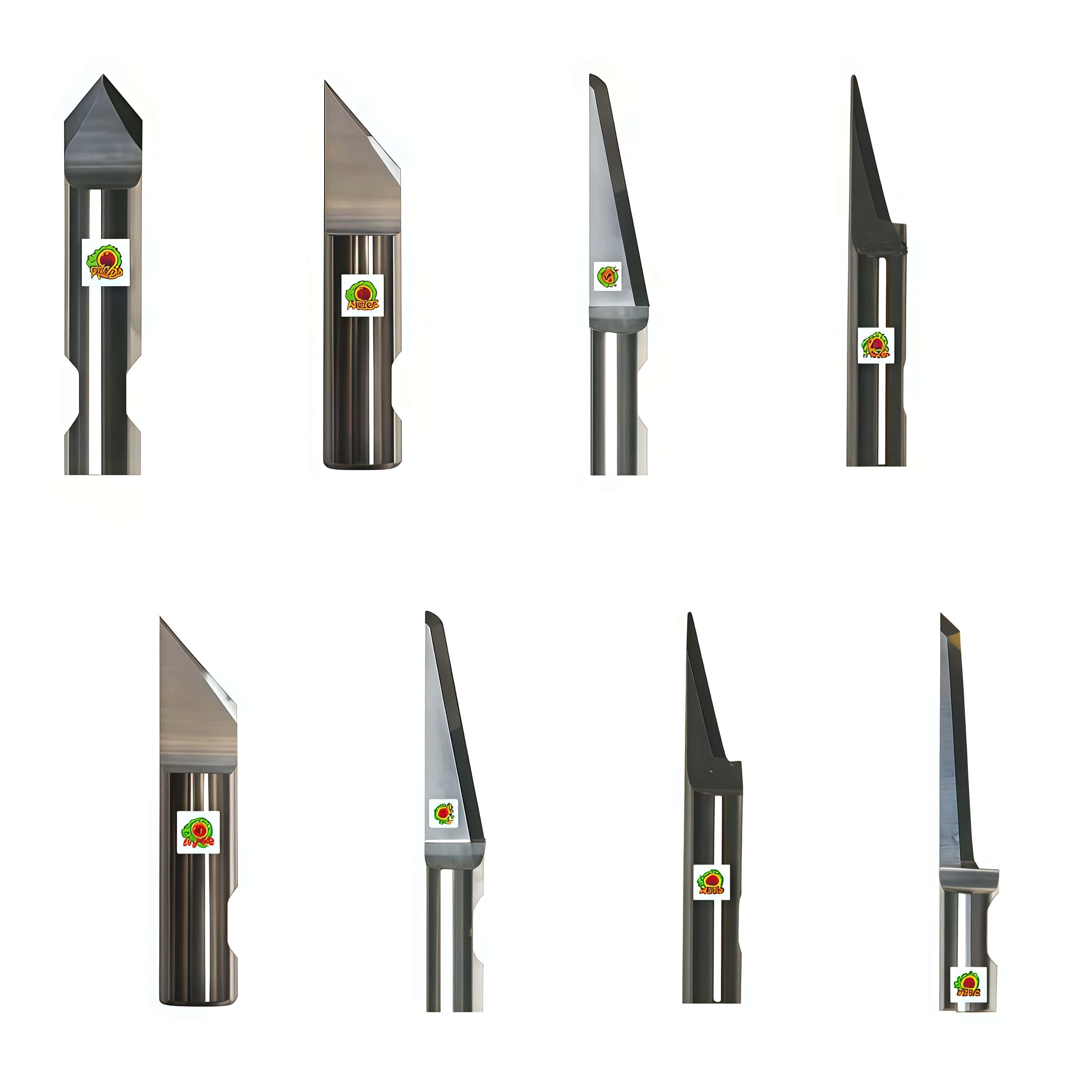
Key features of vibration/Tungsten carbide (cemented carbide) knife blades are the industry standard for CNC digital cutting tables and vibrating engraving systems. Their combination of extreme hardness and wear resistance makes them ideal for high-speed, repetitive cutting without thermal distortion.
Core Advantages & Features
High Edge Retention: Solid tungsten carbide holds a sharp cutting edge up to 5–10 times longer than standard high-speed steel (HSS), making it cost-effective for continuous industrial production.
Cold Mechanical Cutting: Unlike lasers or thermal tools, oscillating knife blades cut via micro-stroke reciprocating action. This preserves heat-sensitive media like leather, felt, foam, and adhesives without burning or melting the edges.
Low Dust Generation: Produces clean sheared edges rather than airborne chips or dust, which is critical in cleanroom or sensitive print-and-cut environments.
Intricate Contour Precision: High lateral rigidity resists blade flexing, enabling sharp turning radii and tight internal angles without blade deflection.
Blade Angle Selection Guide
Selecting the proper blade angle balances penetration depth, cutting speed, and cornering sharpness:
|
Blade Angle Range |
Best Suited Applications |
Typical Characteristics |
|
16° – 30° |
Fine details, tight turns, thin films, stickers, paperboard |
Extremely sharp point, minimal overcut, lower resistance in thin media. |
|
35° – 45° |
General cutting: leather, textiles, thin rubbers, flexible PVC |
Balanced wedge action, versatile across medium-density flexible stock. |
|
50° – 60°+ |
Heavy-duty stock: corrugated board, thick foam, insulation, gaskets |
Stronger tip geometry; prevents blade flexing under heavy load. |
- Key Operational Considerations
-
-
Tool Head Type (EOT vs. POT):
-
Electric Oscillating Tools (EOT): Best for thinner materials (up to ~28 mm) requiring high frequency and fine detail.
-
Pneumatic Oscillating Tools (POT): Delivers longer stroke lengths and higher impact force for thick, dense stock (e.g., rigid foam, heavy rubber).
-
-
Sharpening & Replacement: Carbide blades should not be manually re-
sharpened, as altered geometry and tip angles cause tracking inaccuracies and uneven cuts.
-
Machine Alignment: Always calibrate the knife entry angle and blade offset in your CNC controller software (e.g., Zund, Esko, iEcho) to prevent corner drag or start-point defects
-
© 2026 Shenzhen Oyea Machinery Co., Ltd. All Rights Reserved 


Call us now!