

Product Categories
- Atom Cutter Cutting Knives Knife Blades For Sale
- Axyz Cutter Cutting Knives Knife Blades For Sale
- Aristo Cutter Cutting Knives Knife Blades For Sale
- Blackman & White Cnc Knives Knife Blades For Sale
- Bullmer Cutter Cutting Knives Knife Blades
- Colex Cutter Cutting Knives Knife Blades For Sale
- Colex Milling & Router Bits For Sale Shop Online
- Comelz Cutter Cutting Knives Knife Blades For Sale
- Comagrav Cnc Knives Knife Blades For Sale Shop
- Esko Kongsberg End Mill Cutters And Router Bits
- Esko Kongsberg Cutter Cutting Knives Knife Blades
- Eastman Cnc Knives Knife Blades For Sale Shop
- Ecocam Tangential Knives Knife Blades For Sale
- Elitron Cnc Knives Knife Blades For Sale Shop
- Fk Group Cnc Knives Knife Blade For Sale Shop
- Filiz Cnc Knives Knife Blade For Sale Shop
- Gerber Cutter Cutting Knives Knife Blades For Sale
- Humantec Cnc Knives Knife Blade For Sale Shop
- Investronica Cnc Knives Knife Blade For Sale Shop
- Iecho Cnc Knives Knife Blades For Sale Shop Replac
- JingWei JWei Cnc Knives Knife Blades For Sale Shop
- Kawakami Cnc Knives Knife Blade For Sale Shop
- Kuris Cnc Knives Knife Blades For Sale Shop
- Lectra Cnc Knives Knife Blades For Sale Shop
- Multicam Cutter Knives Cutting Knife Blades
- Mimaki Cnc Knives And Plotter Cutter Knife Blades
- RuiZhou Cnc Knives Knife Blades For Sale Shop
- Ronchini Cnc Knives Knife Blades For Sale Shop
- Summa Cutter Cutting Knives Knife Blades For Sale
- Summa End Mill Cutters And Router Bits
- Talamoni Cnc Knives Knife Blade For Sale Shop
- Teseo Cnc Knives Knife Blades For Sale Shop
- Wild Cnc Knives Knife Blade For Sale Shop
- Zund Cutter Cutting Knives Knife Blades For Sale
- Zund End Mill Cutters And Router Bits
- Other Tungsten Carbide Cutting Knives Knife Blades
- Protek Cnc Knives Knife Blades For Sale Shop
- Vinyl Cutter Blades,Plotter Cutting Blades Sale
- Other Cloth Cutting Knife Blades For Sale Shop
- Aluminum End Mill Cnc Router Tools Cutter Bits
- Milling Router Bits Routing Cutters For Sale Shop
- Tungsten Carbide Digital Vinyl Cutter Knife Blades
- Textile Blades,Textile Knives,Non-woven Cutters
- Notching & Punching Tools For Sale Shop
- Paper Cutting Knives Knife Blade For Sale Shop
- Carbide reversible knives,Replacement Tip Turnover
- Conveyor Belts Cutting Underlay Felt Pad For Sale
- Sharpening Disk Grinding Wheels Stones Drums Sale
- Knife for Button Hole Machine,Button Hole Knives
- Valiani Cnc Knives Knife Blades For Sale Shop
- Flatbed Digital Cutting System Tools Accessories
Tungsten Carbide Milling Insert for Book Binding
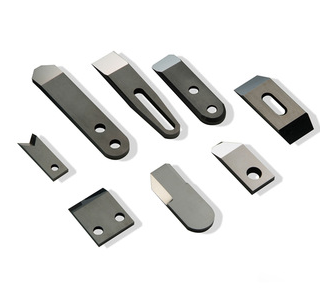
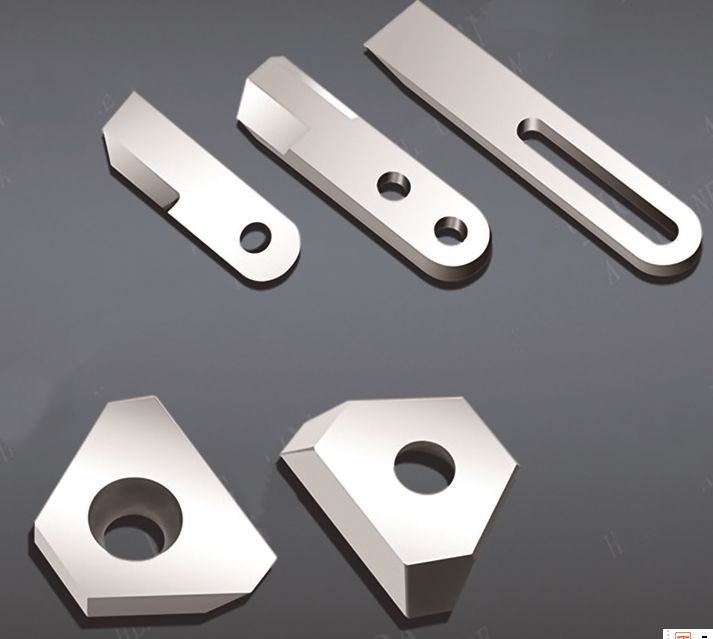
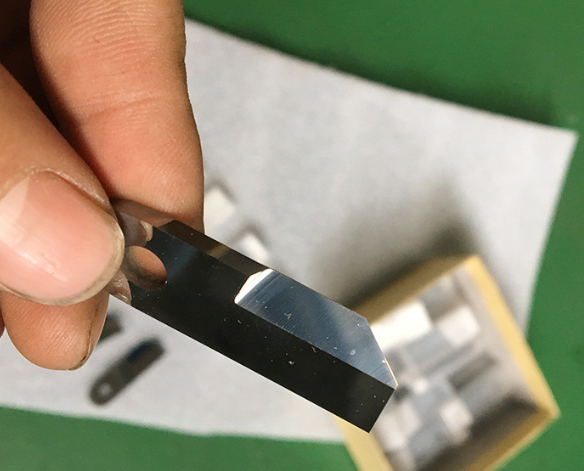
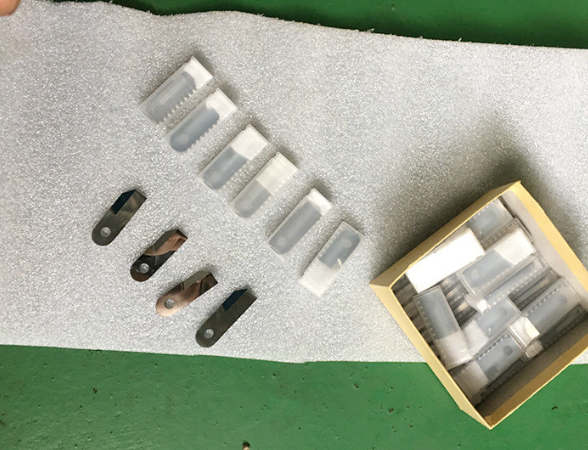
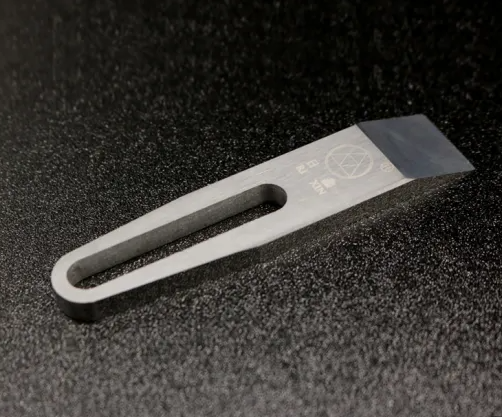
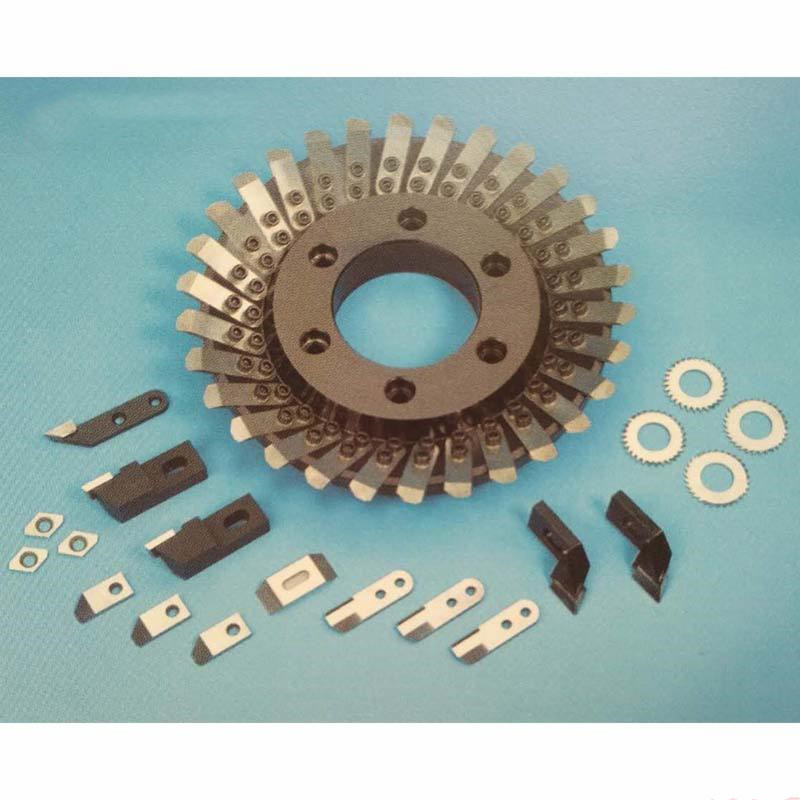
A tungsten carbide milling insert for book binding is a small cutter segment used in milling the spine of book blocks so glue can bond properly. These are often called shredder-head inserts or milling head inserts, and they’re made for paper-binding machinery rather than general metalworking
Enquire now


Tungsten Carbide Milling Insert for Book Binding
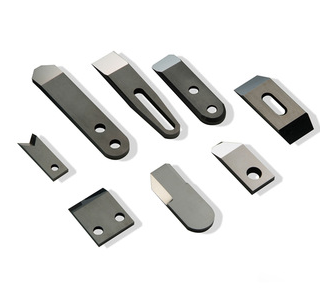
Core Applications and Functions
Note: Customization available per customer's drawing or sample.
These blades are widely used in mainstream high-speed industrial-grade perfect binding lines and binding machines worldwide, including but not limited to products from the following manufacturers: Müller Martini: such as Bolero, Corona, Acoro, Tigra, Pony, etc.; Kolbus: such as various models of automatic perfect binding lines and Equalizer back milling systems; Horizon; Wohlenberg.
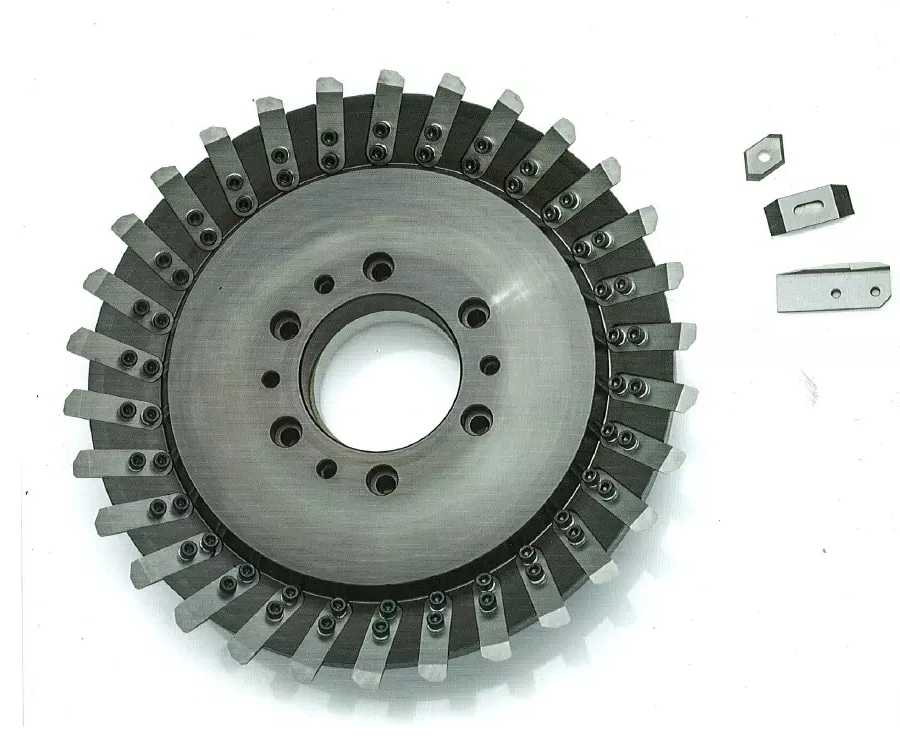
Tungsten carbide milling inserts for book binding are critical, highly wear-resistant cutting components in post-printing finishing and binding machinery, such as perfect binding lines and wireless binding machines. They are typically mounted on back milling wheels or shredder heads and are used to mill, groove, or roughen the spine of the book before glue application to enhance glue penetration and adhesion strength
Core Applications and Functions
- Spine milling : Quickly cuts off the back of the folded bookplate, turning the pages into individual loose pages, which facilitates glue penetration.
- Notching/Grooving : Milling uniform grooves (paper scraps) into the spine of the book to increase the contact area and physical interlocking force of the hot melt adhesive, preventing pages from falling out or breaking.
Common Specifications and Compatible Models
In post-printing binding, the blades need to be matched according to the different perfect binding line equipment:
- Common machine dimensions : Common standard specifications on the market include 50×15×3 mm , 65×18×5 mm , etc., which have positioning holes for bolt fixing.
- Compatible with mainstream brands : These alloy inserts are typically mounted on the milling cutters or end mills of mainstream international perfect binding machines such as Müller Martini, Kolbus, Horizon, and Wohlenberg.
- Hardness and material grade : The hardness is generally between HRA 87 and 93. Commonly used tungsten carbide grades such as YG6X, YG8, and YG10 are fine-grained cemented carbide.
Selection and Procurement Guide
- Verify the installation method : Choose either screw-fixed (Indexable) or welded type based on the cutter head design. Indexable four-sided blades are recommended as the first choice; once one edge wears out, it can be rotated and reused, offering better overall cost-effectiveness.
- Angle matching : When rough milling and with a large depth of cut, it is recommended to choose a slightly larger apex angle to enhance the impact resistance of the blade tip and prevent chipping when facing thick coated paper.
- Choose the coating according to the type of paper : When processing high-density coated paper, recycled paper, or paper containing more chemical fillers, you can give priority to blades with wear-resistant coatings to further extend the blade change cycle.
Product Description
| Blades for packing and printing industry | |
| No. | Common sizes (mm) |
| 1 | 72*14*4 |
| 2 | 72*14*9 |
| 3 | 65*18*15 |
| 4 | 63*14*4 |
| 5 | 55*18*5 |
| 6 | 50*15*3 |
| 7 | 50*14.5*4 |
| 8 | 50*14*3.5 |
| 9 | 60*15*2 |
| 10 | 50*16*2 |
| 11 | 50*15*2 |
| 12 | 50*15*1.6 |
| 13 | 50*12*2 |
| 14 | 45*15*3 |
| 15 | 38*15*3 |
| 16 | 32*14*3.7 |
| 17 | 21.2*18*2.8 |
| 18 | 20.8*8*5 |
Note: Customization available per customer's drawing or sample.
These blades are widely used in mainstream high-speed industrial-grade perfect binding lines and binding machines worldwide, including but not limited to products from the following manufacturers: Müller Martini: such as Bolero, Corona, Acoro, Tigra, Pony, etc.; Kolbus: such as various models of automatic perfect binding lines and Equalizer back milling systems; Horizon; Wohlenberg.
If you have more questions to know ,please contact us .
Tel:+86-0769-88014625
Phone Number:+86-18823852826
Email: info@china-oyea.com
1659590865@qq.com
Web: www.china-oyea.com
We warmly welcome every customer to send us drawings for making customized product. Contact with us ,you will get more than what you can !
© 2026 Shenzhen Oyea Machinery Co., Ltd. All Rights Reserved 


TALK TO US+86-18823852826
Call us now!
Call us now!
LIVE CHAT
GET IN TOUCH