

Product Categories
- Atom Cutter Cutting Knives Knife Blades For Sale
- Axyz Cutter Cutting Knives Knife Blades For Sale
- Aristo Cutter Cutting Knives Knife Blades For Sale
- Blackman & White Cnc Knives Knife Blades For Sale
- Bullmer Cutter Cutting Knives Knife Blades
- Colex Cutter Cutting Knives Knife Blades For Sale
- Colex Milling & Router Bits For Sale Shop Online
- Comelz Cutter Cutting Knives Knife Blades For Sale
- Comagrav Cnc Knives Knife Blades For Sale Shop
- Esko Kongsberg End Mill Cutters And Router Bits
- Esko Kongsberg Cutter Cutting Knives Knife Blades
- Eastman Cnc Knives Knife Blades For Sale Shop
- Ecocam Tangential Knives Knife Blades For Sale
- Elitron Cnc Knives Knife Blades For Sale Shop
- Fk Group Cnc Knives Knife Blade For Sale Shop
- Filiz Cnc Knives Knife Blade For Sale Shop
- Gerber Cutter Cutting Knives Knife Blades For Sale
- Humantec Cnc Knives Knife Blade For Sale Shop
- Investronica Cnc Knives Knife Blade For Sale Shop
- Iecho Cnc Knives Knife Blades For Sale Shop Replac
- JingWei JWei Cnc Knives Knife Blades For Sale Shop
- Kawakami Cnc Knives Knife Blade For Sale Shop
- Kuris Cnc Knives Knife Blades For Sale Shop
- Lectra Cnc Knives Knife Blades For Sale Shop
- Multicam Cutter Knives Cutting Knife Blades
- Mimaki Cnc Knives And Plotter Cutter Knife Blades
- RuiZhou Cnc Knives Knife Blades For Sale Shop
- Ronchini Cnc Knives Knife Blades For Sale Shop
- Summa Cutter Cutting Knives Knife Blades For Sale
- Summa End Mill Cutters And Router Bits
- Talamoni Cnc Knives Knife Blade For Sale Shop
- Teseo Cnc Knives Knife Blades For Sale Shop
- Wild Cnc Knives Knife Blade For Sale Shop
- Zund Cutter Cutting Knives Knife Blades For Sale
- Zund End Mill Cutters And Router Bits
- Other Tungsten Carbide Cutting Knives Knife Blades
- Protek Cnc Knives Knife Blades For Sale Shop
- Vinyl Cutter Blades,Plotter Cutting Blades Sale
- Other Cloth Cutting Knife Blades For Sale Shop
- Aluminum End Mill Cnc Router Tools Cutter Bits
- Milling Router Bits Routing Cutters For Sale Shop
- Tungsten Carbide Digital Vinyl Cutter Knife Blades
- Textile Blades,Textile Knives,Non-woven Cutters
- Notching & Punching Tools For Sale Shop
- Paper Cutting Knives Knife Blade For Sale Shop
- Carbide reversible knives,Replacement Tip Turnover
- Conveyor Belts Cutting Underlay Felt Pad For Sale
- Sharpening Disk Grinding Wheels Stones Drums Sale
- Knife for Button Hole Machine,Button Hole Knives
- Valiani Cnc Knives Knife Blades For Sale Shop
- Flatbed Digital Cutting System Tools Accessories
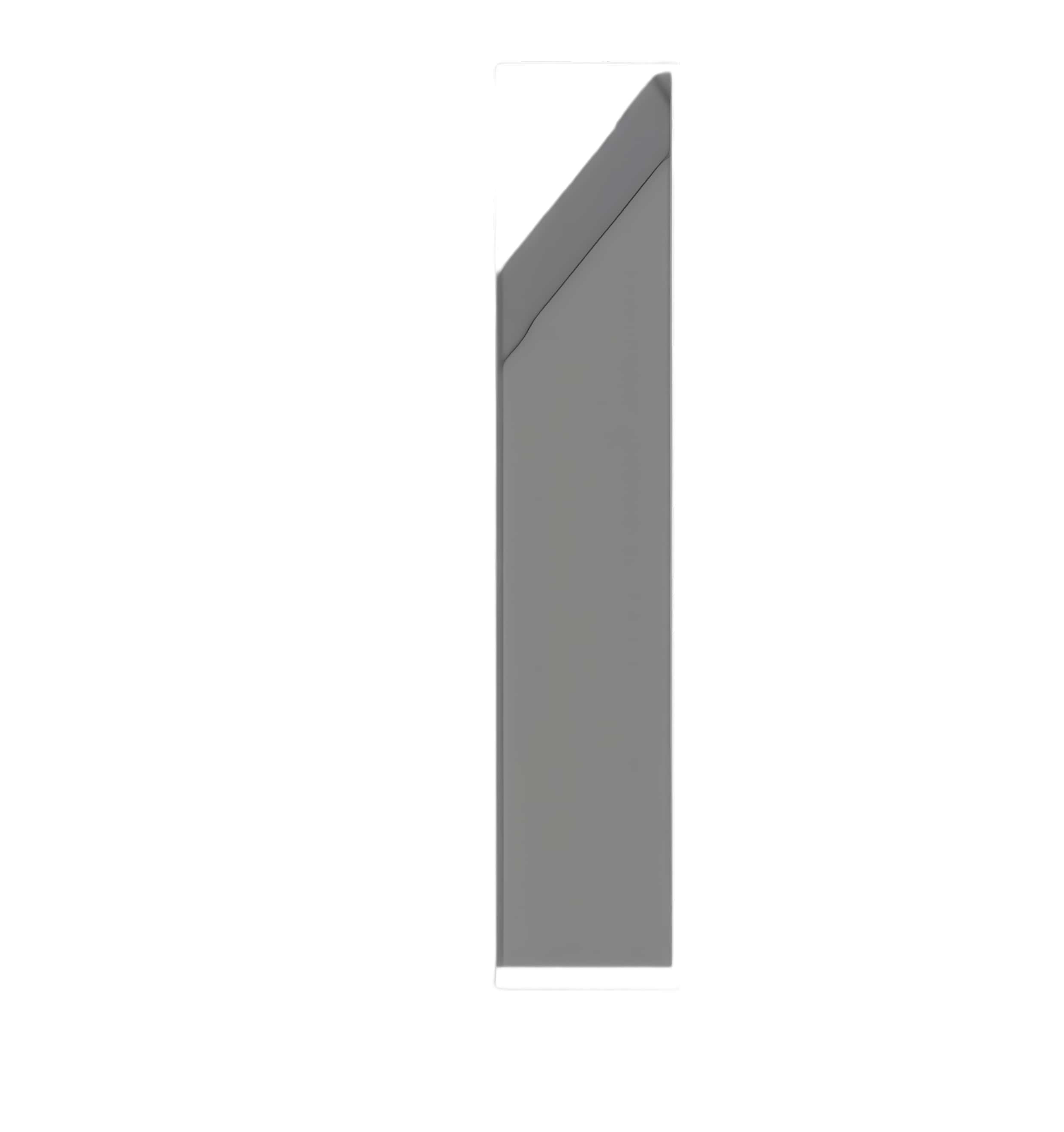
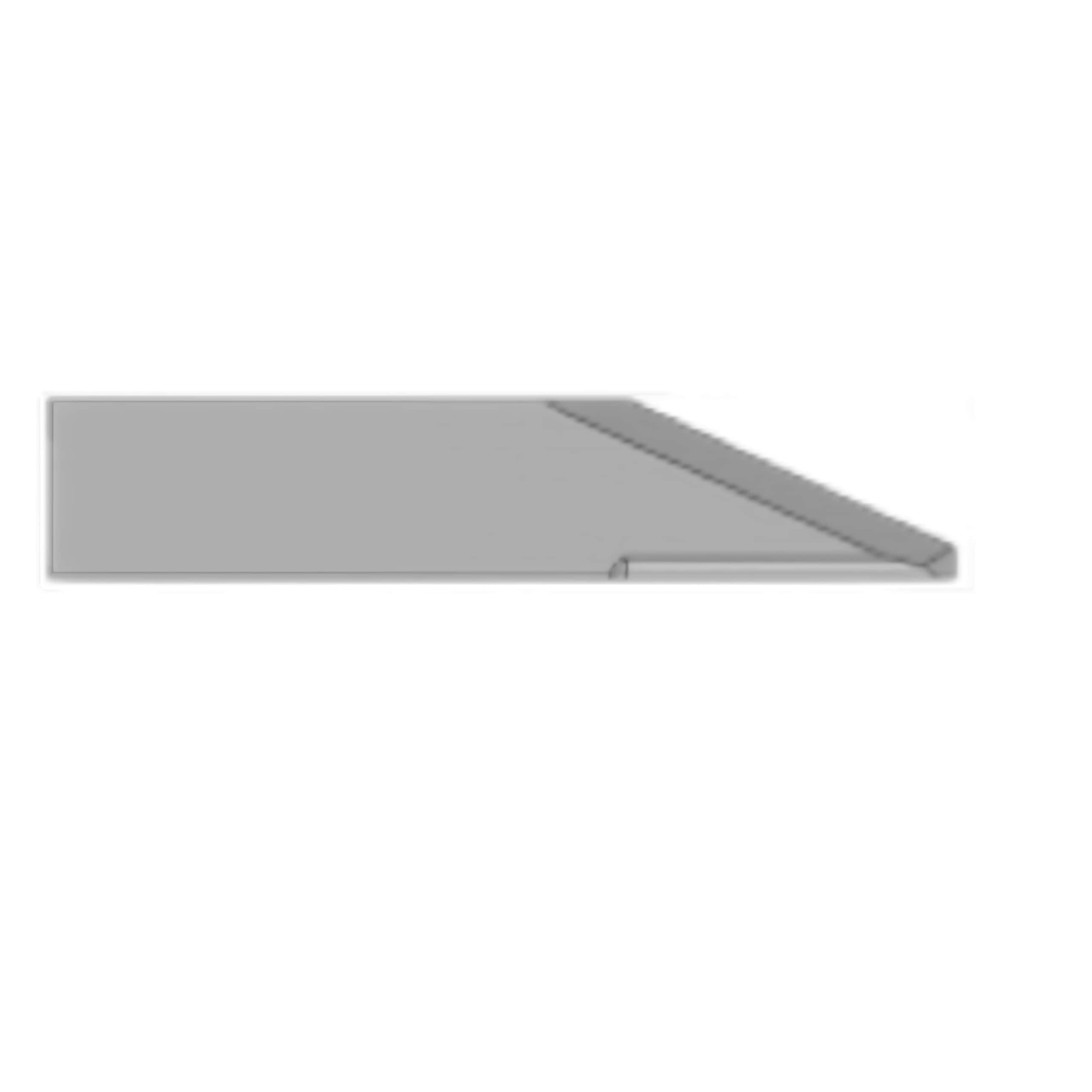
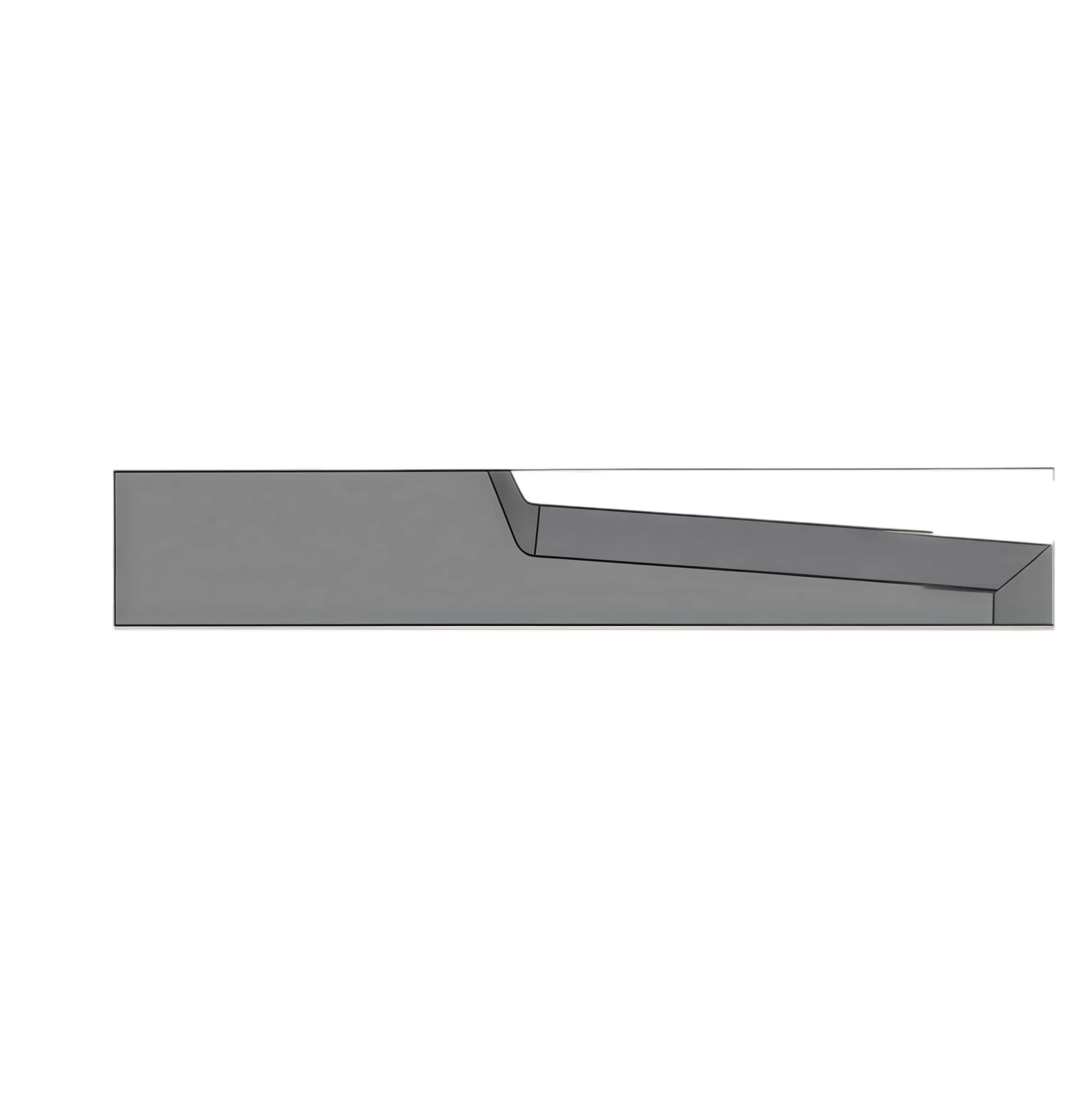


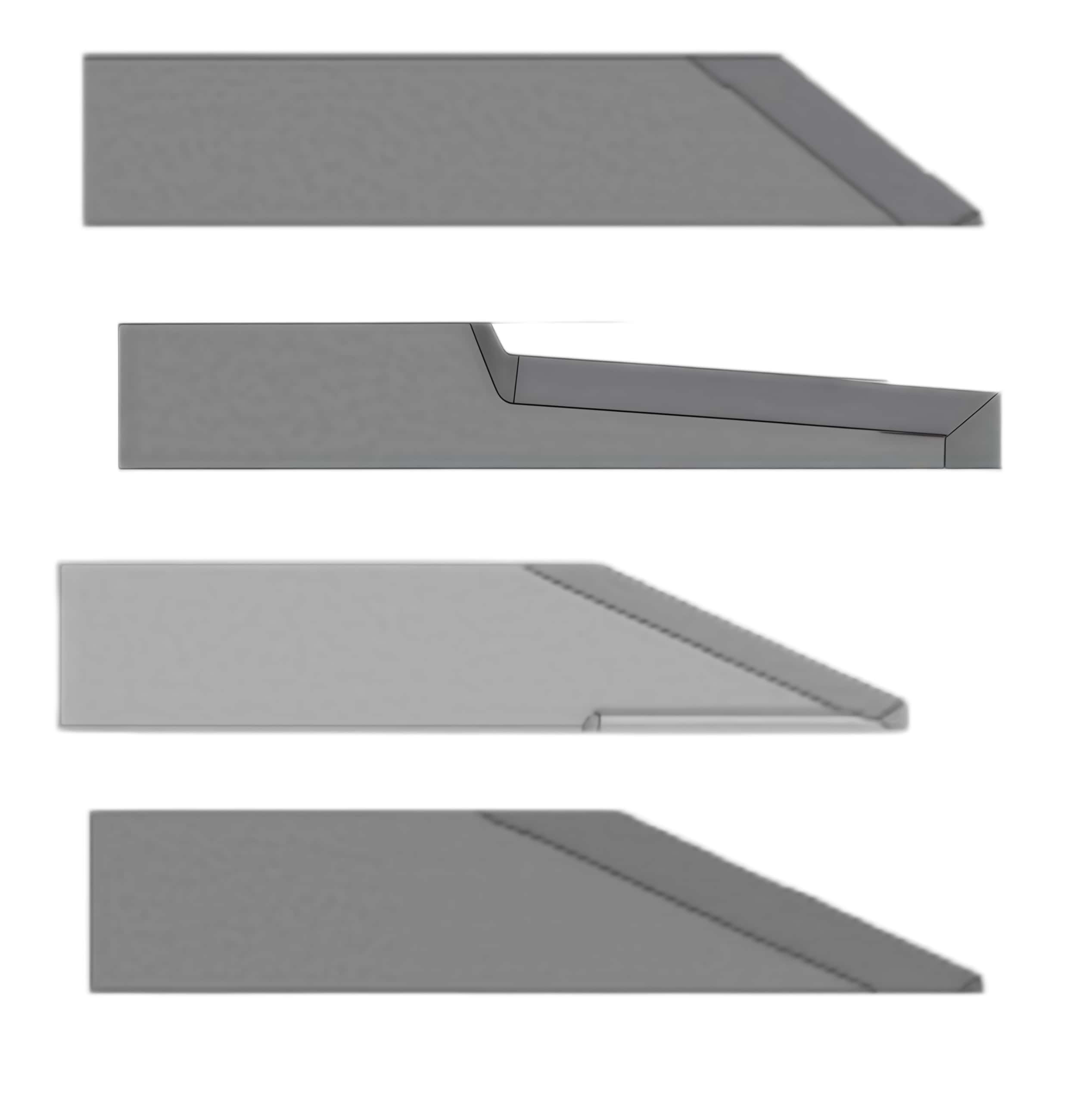


Sabal Knives,Sabal Blades,Sabal C000502,C000502/1,C000503/1,C000503,C000504,C000505,C000507,C000508,C000509,C000511,C000512,C000513/1,C000514
Common Knife Specifications
Sabal blades are often made from Micro-grain Tungsten Carbide (VHM) to maintain an edge against the abrasive chemicals used in leather tanning.
Standard Oscillating Knives: Often feature a 70°–80° angle for general leather cutting.
Detail Drag Knives: Feature a shallow 30°–45° angle to prevent "material pull" on thin, stretchy leathers used for luxury footwear.
Length: Typically range from 20mm to 35mm depending on the specific Sabal tool head.
Why Sabal-Specific Blades are Critical
Leather Density Management: Natural hides vary in density across the skin. Sabal knives are engineered with a specific "wedge" geometry that allows the machine's software to maintain constant pressure without tearing the material.
Yield Optimization: Footwear production relies on nesting parts extremely close together. Sabal knives have narrow shanks that allow for ultra-tight "turn radii," maximizing the use of expensive hides.
Vacuum Interaction: These machines use a vacuum bed. The knives are designed to cut cleanly through the leather without "lifting" it from the vacuum seal, which would cause inaccurate cuts.
Maintenance & Sourcing Tips
Blade Cleaning: Because natural leather contains oils and waxes, Sabal blades can develop "glaze" buildup. Cleaning with isopropyl alcohol every shift helps maintain cutting speed.
Sharpening: Carbide blades cannot be traditionally sharpened; they must be replaced. However, the service life can be extended by ensuring the underlay mat is in good condition.
OYEA Knives manufactures and supplies a full line of both STANDARD and CUSTOM leather cutting knives and blades. All of our standard leather cutting knives are manufactured to exceed the exact OEM standards.
© 2026 Shenzhen Oyea Machinery Co., Ltd. All Rights Reserved 


Call us now!