

Product Categories
- Atom Cutter Cutting Knives Knife Blades For Sale
- Axyz Cutter Cutting Knives Knife Blades For Sale
- Aristo Cutter Cutting Knives Knife Blades For Sale
- Blackman & White Cnc Knives Knife Blades For Sale
- Bullmer Cutter Cutting Knives Knife Blades
- Colex Cutter Cutting Knives Knife Blades For Sale
- Colex Milling & Router Bits For Sale Shop Online
- Comelz Cutter Cutting Knives Knife Blades For Sale
- Comagrav Cnc Knives Knife Blades For Sale Shop
- Esko Kongsberg End Mill Cutters And Router Bits
- Esko Kongsberg Cutter Cutting Knives Knife Blades
- Eastman Cnc Knives Knife Blades For Sale Shop
- Ecocam Tangential Knives Knife Blades For Sale
- Elitron Cnc Knives Knife Blades For Sale Shop
- Fk Group Cnc Knives Knife Blade For Sale Shop
- Filiz Cnc Knives Knife Blade For Sale Shop
- Gerber Cutter Cutting Knives Knife Blades For Sale
- Humantec Cnc Knives Knife Blade For Sale Shop
- Investronica Cnc Knives Knife Blade For Sale Shop
- Iecho Cnc Knives Knife Blades For Sale Shop Replac
- JingWei JWei Cnc Knives Knife Blades For Sale Shop
- Kawakami Cnc Knives Knife Blade For Sale Shop
- Kuris Cnc Knives Knife Blades For Sale Shop
- Lectra Cnc Knives Knife Blades For Sale Shop
- Multicam Cutter Knives Cutting Knife Blades
- Mimaki Cnc Knives And Plotter Cutter Knife Blades
- RuiZhou Cnc Knives Knife Blades For Sale Shop
- Ronchini Cnc Knives Knife Blades For Sale Shop
- Summa Cutter Cutting Knives Knife Blades For Sale
- Summa End Mill Cutters And Router Bits
- Talamoni Cnc Knives Knife Blade For Sale Shop
- Teseo Cnc Knives Knife Blades For Sale Shop
- Wild Cnc Knives Knife Blade For Sale Shop
- Zund Cutter Cutting Knives Knife Blades For Sale
- Zund End Mill Cutters And Router Bits
- Other Tungsten Carbide Cutting Knives Knife Blades
- Protek Cnc Knives Knife Blades For Sale Shop
- Vinyl Cutter Blades,Plotter Cutting Blades Sale
- Other Cloth Cutting Knife Blades For Sale Shop
- Aluminum End Mill Cnc Router Tools Cutter Bits
- Milling Router Bits Routing Cutters For Sale Shop
- Tungsten Carbide Digital Vinyl Cutter Knife Blades
- Textile Blades,Textile Knives,Non-woven Cutters
- Notching & Punching Tools For Sale Shop
- Paper Cutting Knives Knife Blade For Sale Shop
- Carbide reversible knives,Replacement Tip Turnover
- Conveyor Belts Cutting Underlay Felt Pad For Sale
- Sharpening Disk Grinding Wheels Stones Drums Sale
- Knife for Button Hole Machine,Button Hole Knives
- Valiani Cnc Knives Knife Blades For Sale Shop
- Flatbed Digital Cutting System Tools Accessories


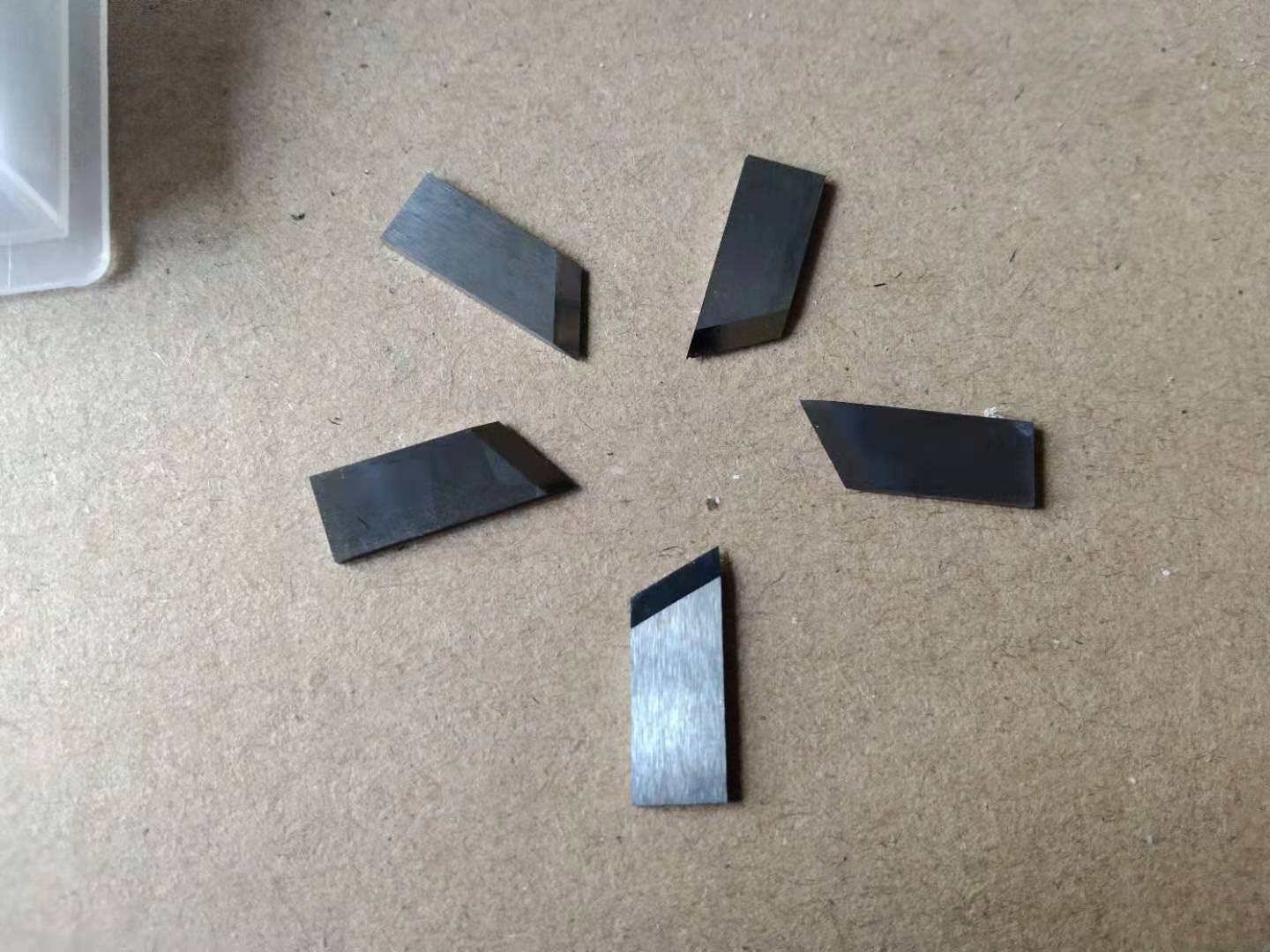


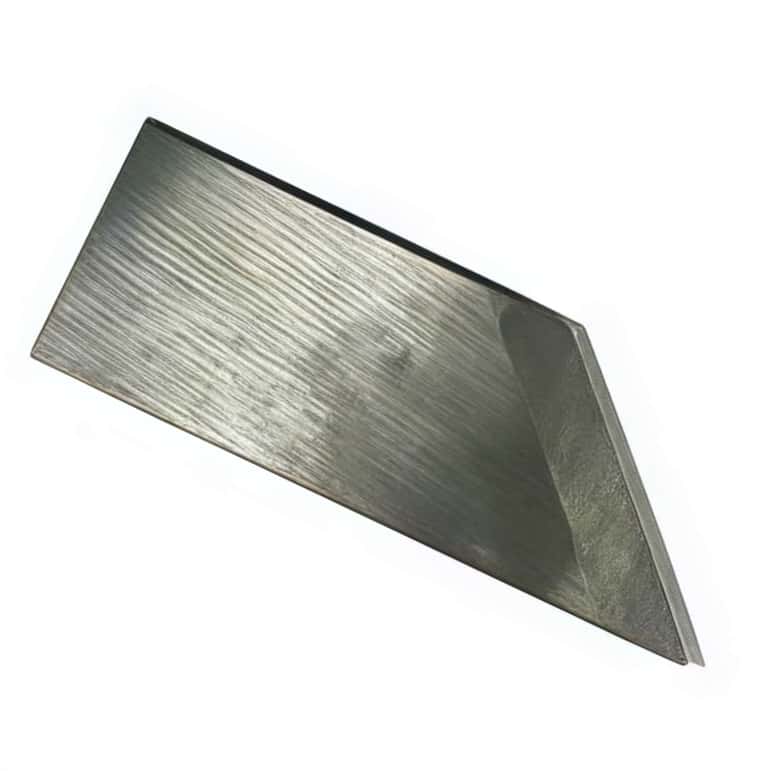
Quick Reference for Core Models and Specifications
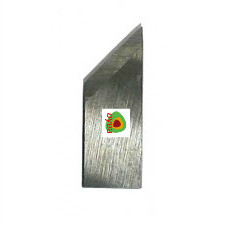
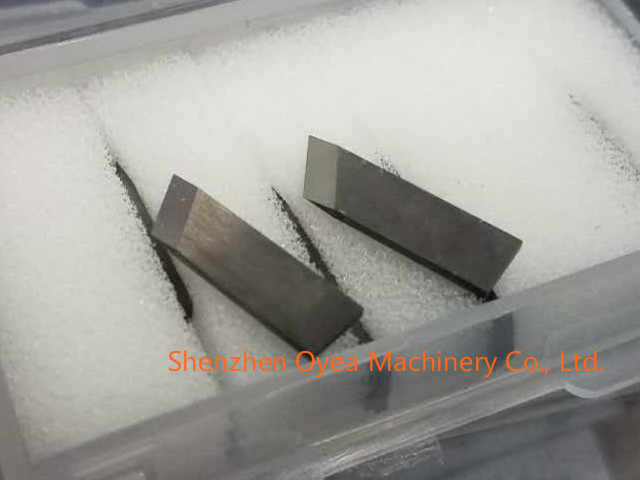
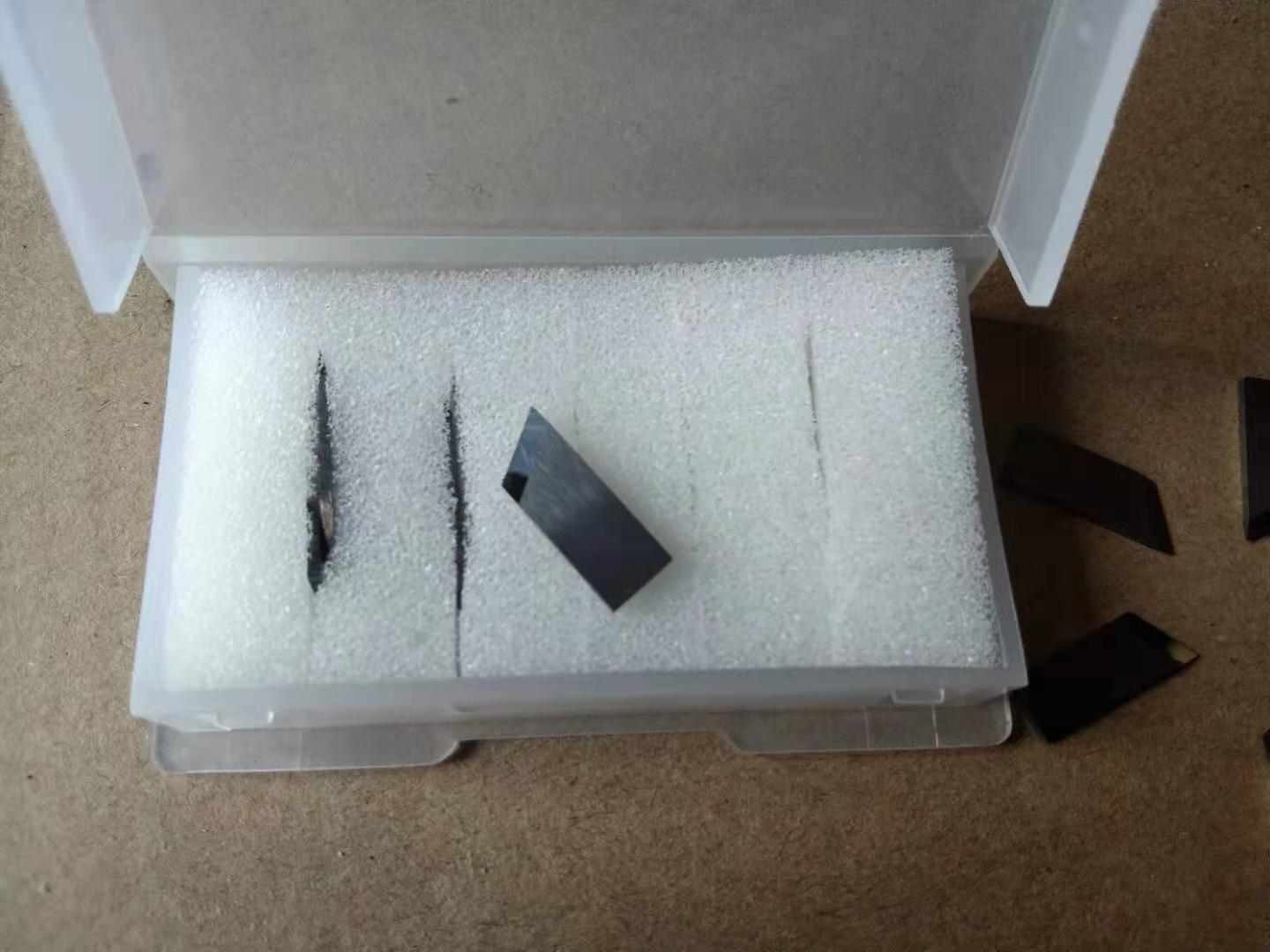
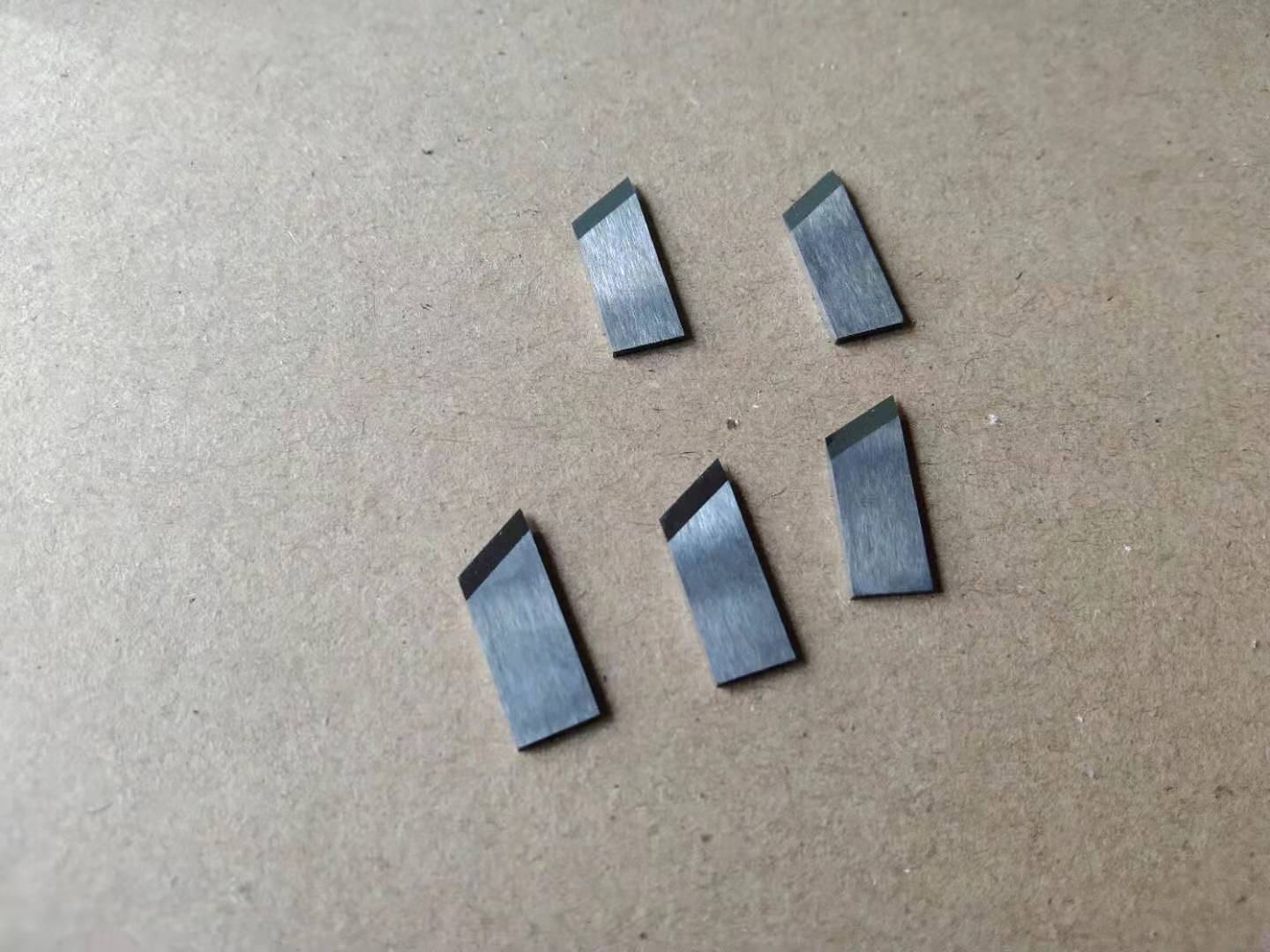
When purchasing replacement parts, the most commonly used original equipment manufacturer (OEM) and third-party compatible (such as Shenzhen Oyea Machinery ) universal cutting tool models and specifications are as follows:
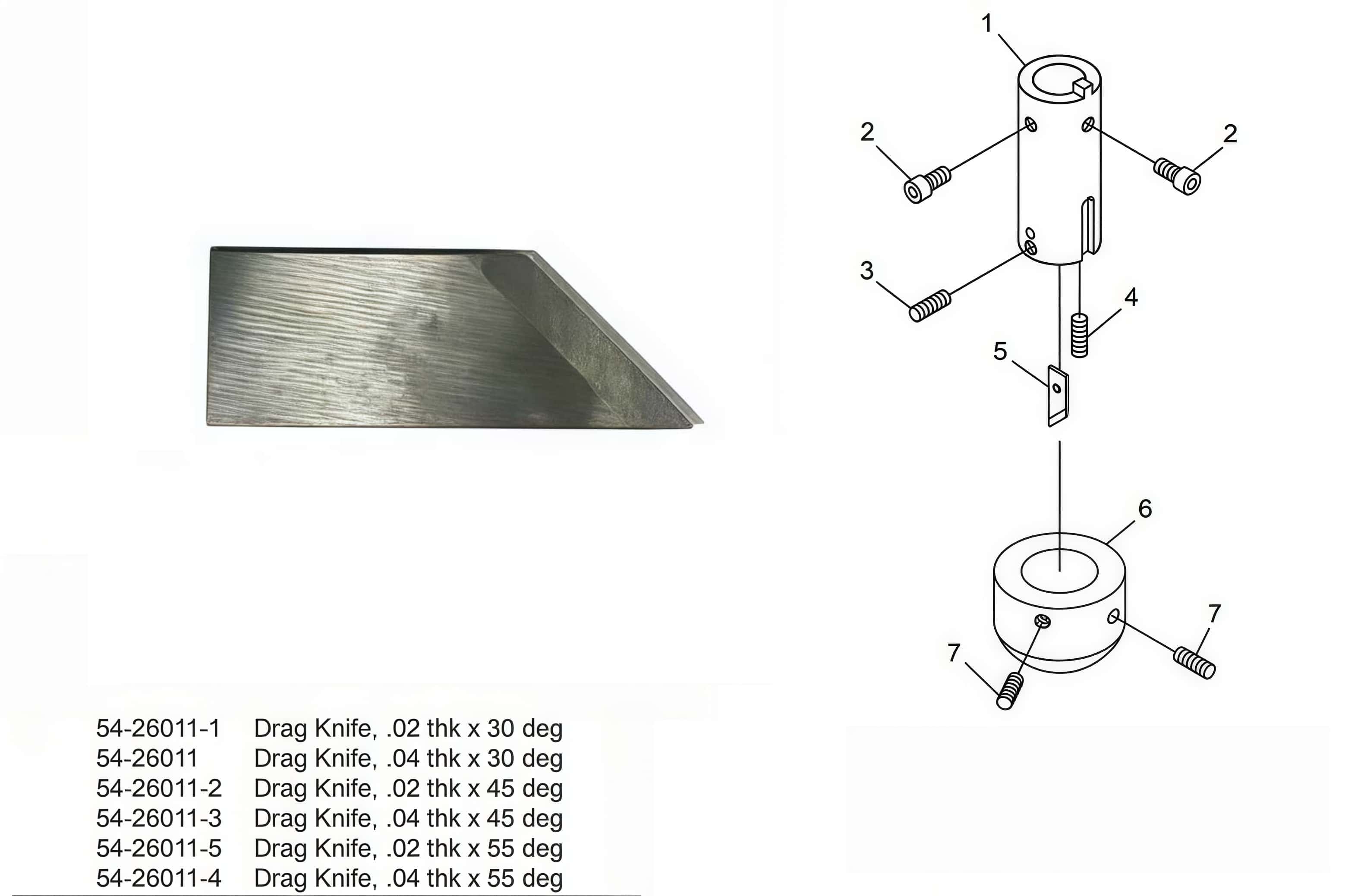
· Standard drag knife blade specifications :
54-26011-1 : Thickness .02" 0.5mm, Angle 30°
54-26011 : Thickness .04" 1.0mm, Angle 30°
54-26011-2 : Thickness .02" 0.5mm, Angle 45°
54-26011-3 : Thickness .04" 1.0mm, Angle 45°
54-26011-5 : Thickness .02" 0.5mm, Angle 55°
54-26011-4 : Thickness .04" 1.0mm, Angle 55°
54-26011-6 : Thickness .04" 1.0mm, Angle 40°
· Large/Special Drag Blade :
54-26011-9 : 1-inch high, flat tip cutter.
54-26011-17 : 2-1/8 inch high, flat-head drag blade
67-12792 : #16 X-Acto Precision Drag Knife
The core difference between tangential tools and drag tools
|
Blade type |
Operating principle |
Best applicable materials |
Technological advantages |
|
The tool tip direction is actively controlled by the machine tool spindle motor . When encountering acute angles, right angles, or complex patterns, the tool will automatically lift, rotate, and then descend. |
Composite materials, rigid cardboard, thick leather, rubber, gaskets, and other high-density rigid materials. |
It can precisely cut challenging details and heavy materials, preventing them from being torn or deformed at corners. |
|
|
The cutting blade is passively placed in the bearing housing and passively follows the turning motion by the mechanical pulling force when the machine tool moves (similar to the casters of a supermarket shopping cart). |
Thin materials such as vinyl stickers, films, paper, and single-layer lightweight fabrics. |
It has a very fast cutting speed, making it suitable for high-speed processing of large batches of straight lines or smooth arcs. |
© 2026 Shenzhen Oyea Machinery Co., Ltd. All Rights Reserved 


Call us now!