

CNC digital cutting systems and flatbed cutters are computer-controlled cutting platforms designed to automate and streamline the fabrication of a wide range of materials. They differ from traditional plotters by using CNC control, dedicated tool heads, and often flat, rigid cutting beds to support substrates with high accuracy and repeatability. Below is a concise overview to help you compare options, select components, and plan for typical applications.
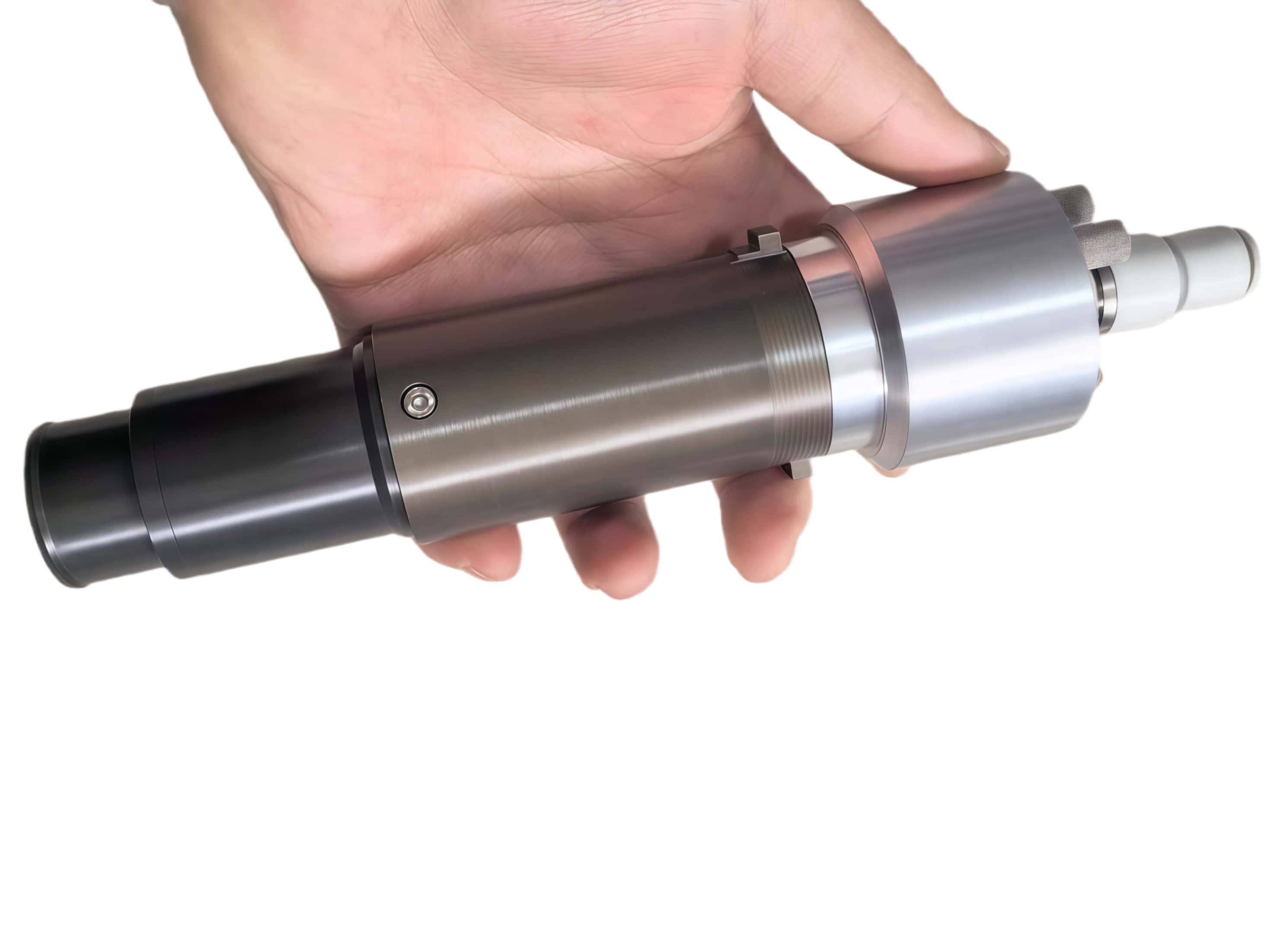
What they are
-
CNC digital cutting systems: Computer-controlled cutting machines that move a blade, knife, drag knife, oscillating knife, or other tools across a substrate to perform cutting, creasing, perforating, scoring, and sometimes milling or engraving. They are optimized for precision, repeatability, and the ability to handle diverse materials such as vinyl, cardboard, textiles, leather, foam, and thin plastics. They can be configured with different knife types and tool heads to suit material properties and production needs.
-
Flatbed cutters (a subset of CNC digital cutters): A cutting table with a rigid, flat bed that supports substrates from below while the cutting head moves above. This setup is especially effective for larger sheets and for materials that require stable, uniform pressure or suction hold-down during cutting. Some models include conveyors or automatic feeders to enable semi- or fully automated workflows.
Key components to consider
-
Bed size and workflow: Determine the maximum material dimensions you will handle and whether you need loading automation (manual, semi-automatic, or fully automatic). Flatbed configurations excel at larger sheets and heavy or rigid substrates.
-
Tooling and capabilities: Common tool types include drag knives for vinyl and soft materials, oscillating knives for generic cutting, creasing or scoring blades for folding, and occasionally routing bits or perforation tools for thicker materials. The choice of blade/knife depends on material hardness, thickness, and finishing requirements.
-
Material compatibility: Most systems cut or perforate vinyl, cardboard, foam, textiles, PVC, PETG, leather, and similar substrates. Some higher-end systems also accommodate more challenging composites with specialized blades or oscillating tools. Review material lists and cutting force/tires per tool when planning production.
-
Accuracy and repeatability: CNC control provides precise tool paths, repeatable cuts, and consistent bed-leveling or suction hold-down. This reduces waste and enables complex geometries and nesting for efficiency.
-
Software and workflow integration: CAD/CAM workflows (design in CAD, generate toolpaths in CAM, then run on the CNC controller) are standard. Some systems offer integrated design-to-cut pipelines or compatibility with popular design software.
Common use cases
-
Signage, packaging, and display graphics: Cutting and creasing for vinyl graphics, cardboard, foam boards, and corrugated materials.
-
Textiles and soft materials: Fabric cutting with blades suited to fabric characteristics, contour cutting, and pattern nesting.
-
Prototyping and small-batch production: Quick turning of ideas into physical parts with fast setup and repeatability.
-
Lightweight composites and boards: Some setups support thinner composites or plastics with appropriate blades.
Choosing between brands and models (common considerations)
-
Brand breadth and service: Look for manufacturers with a broad product range, robust parts availability, and local service networks. This ensures compatibility with multiple materials and long-term support.
-
Modular versus integrated: Modular systems allow upgrading the bed, feeds, or tool heads as needs grow, while integrated turnkey solutions can reduce setup time but may offer less flexibility.
-
Speed, uptime, and reliability: Production environments benefit from fast cutting cycles, reliable mechanical design, and easy maintenance access. Check for documented uptime and service commitments.
Practical steps to get started
-
Define your materials and thickness ranges: List the substrates you plan to cut (vinyl, cardboard, foam, textiles, etc.) and their typical thickness to select suitable blade geometry and cutting force.
-
Map your workflow: Consider how you will move materials in and out of the bed, whether you need conveyors or automation, and what software ecosystem you will use for design-to-cut.
-
Plan for tooling: Identify the primary blade types required and whether you need additional scoring or perforation capabilities for folding or packaging
-
Compare total cost of ownership: Include machine price, blades/consumables, maintenance, service availability, and potential finance options.
UDT - Used for drawing on many different materials. Can be fitted with a variety of drawing implements.
UCT - Known as a 'Drag' blade with a cutting motion similar to a scalpel. Used for cutting cardboard, paper and cardstock, polypropylene, rubber, PVC and canvas.
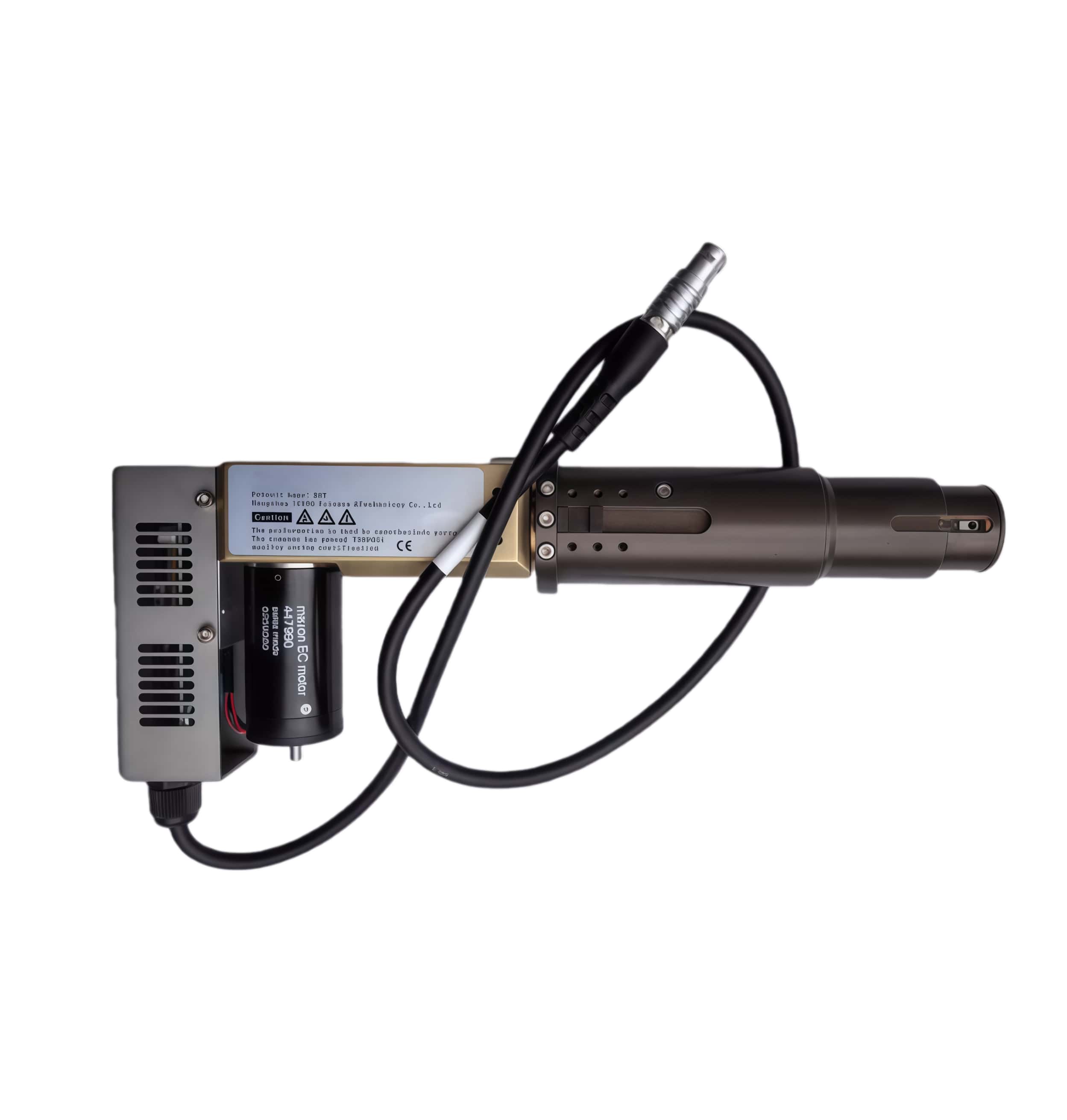
EOT - A motorised blade with a oscillating cutting motion good for soft or flexible materials. Can be used for cutting leather, foam-core, felt, rubber or textiles.
KCT - The variable pressure of the kiss-cut tool enables precise cutting of vinyl and film without damage to the liner material. Used for cutting adhesive vinyls.


PREV : China Summa T Cutter 30/45/60 Degree Series Cutting Plotter Vinyl Knife For Summa T Type Blades Sale NEXT : Using the Zund Digital Knife Cutter(二)