

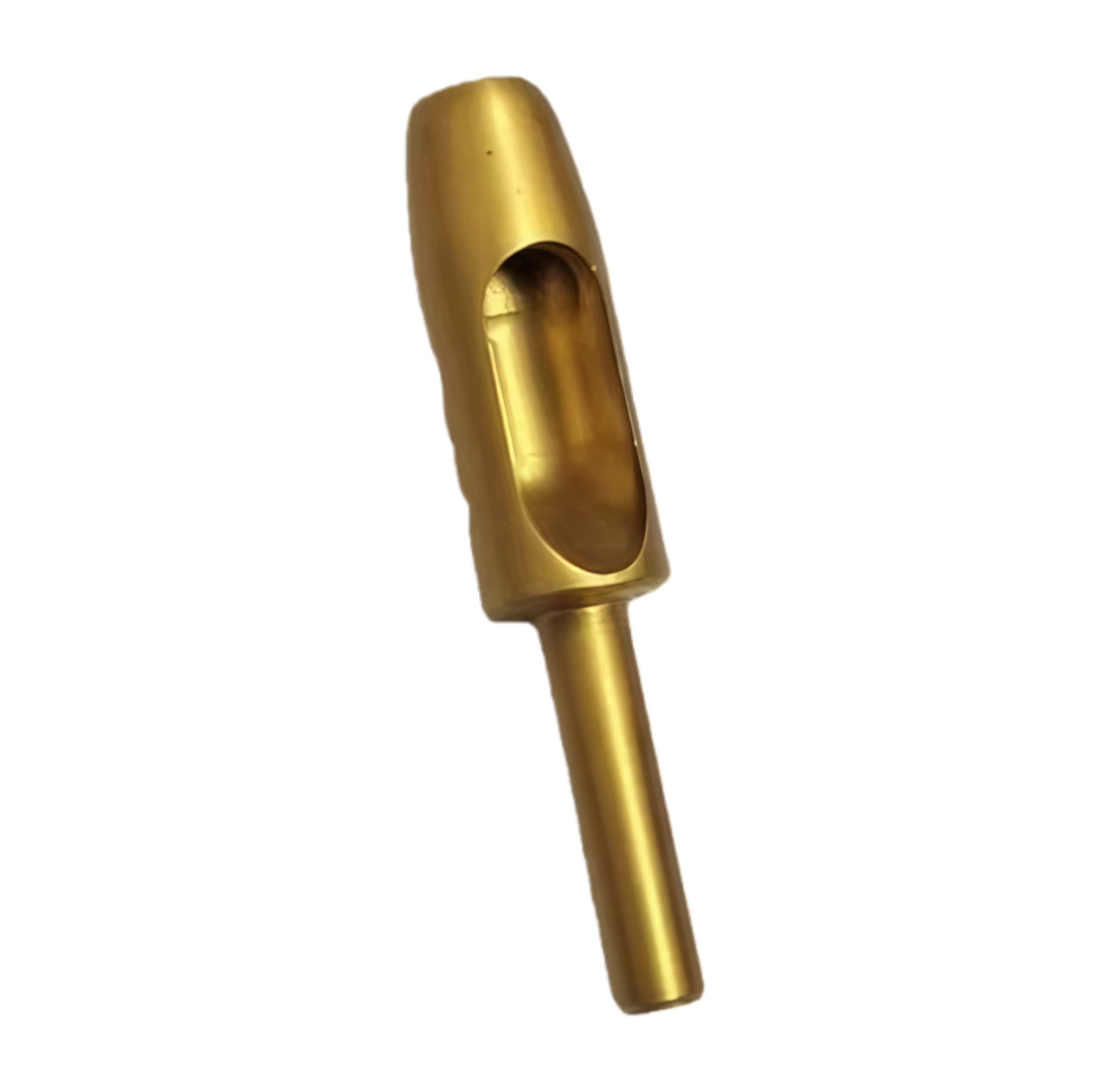
What they are
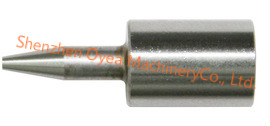
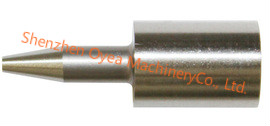
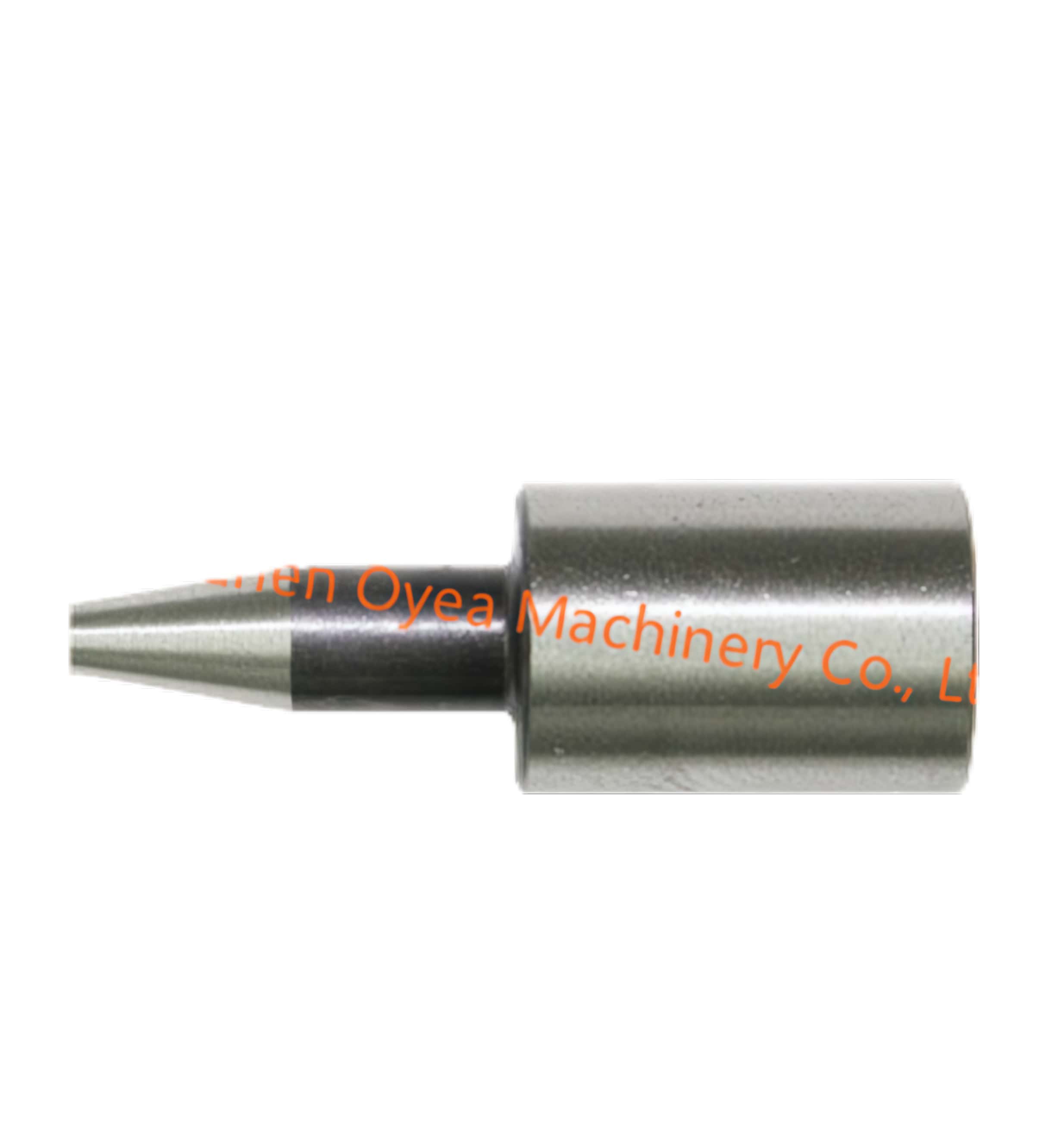
- Tungsten carbide punches use a cemented carbide (tungsten carbide plus a binder like cobalt) for the working tip, giving very high hardness, abrasion resistance, and heat resistance compared with conventional tool steels.
- For notching and punching operations, these tools are built as punches and matching dies that pierce or shear sheet or strip material using high contact pressure and repeated impact or “brute force” forming.
Role of coatings
- Physical vapor deposition (PVD) coatings such as TiN, TiCN, CrN, TiAlN and newer nanocomposite layers are commonly applied to punches, dies, and forming tools to increase surface hardness, cut friction, and improve tool life.
- PVD coatings are preferred over higher‑temperature CVD for many punches because the lower process temperature preserves the hardness of the heat‑treated substrate while adding a hard, low‑friction surface.
Typical coatings and uses
- TiN is a general‑purpose, lower‑cost gold‑colored coating widely used for punching steel sheet stock; TiCN is favored for stainless and tougher materials due to higher toughness and lower friction.
- More advanced coatings like TiAlN, CrN, and nanocomposites (nACRo, nACVIc, etc.) are used where higher heat, adhesive wear, or demanding materials call for longer life and better performance in operations such as notching, piercing, blanking, and fine blanking.
Advantages vs uncoated tools
- Compared with uncoated tool steel, coated carbide punches offer greatly extended tool life, the ability to run higher speeds or more hits between regrinds, and better dimensional stability and surface finish on the notched or punched edge.
- Coatings cannot compensate for poor substrate selection; the base tungsten carbide or high‑grade tool steel must still have appropriate toughness and hardness for the application before coating can provide meaningful gains.
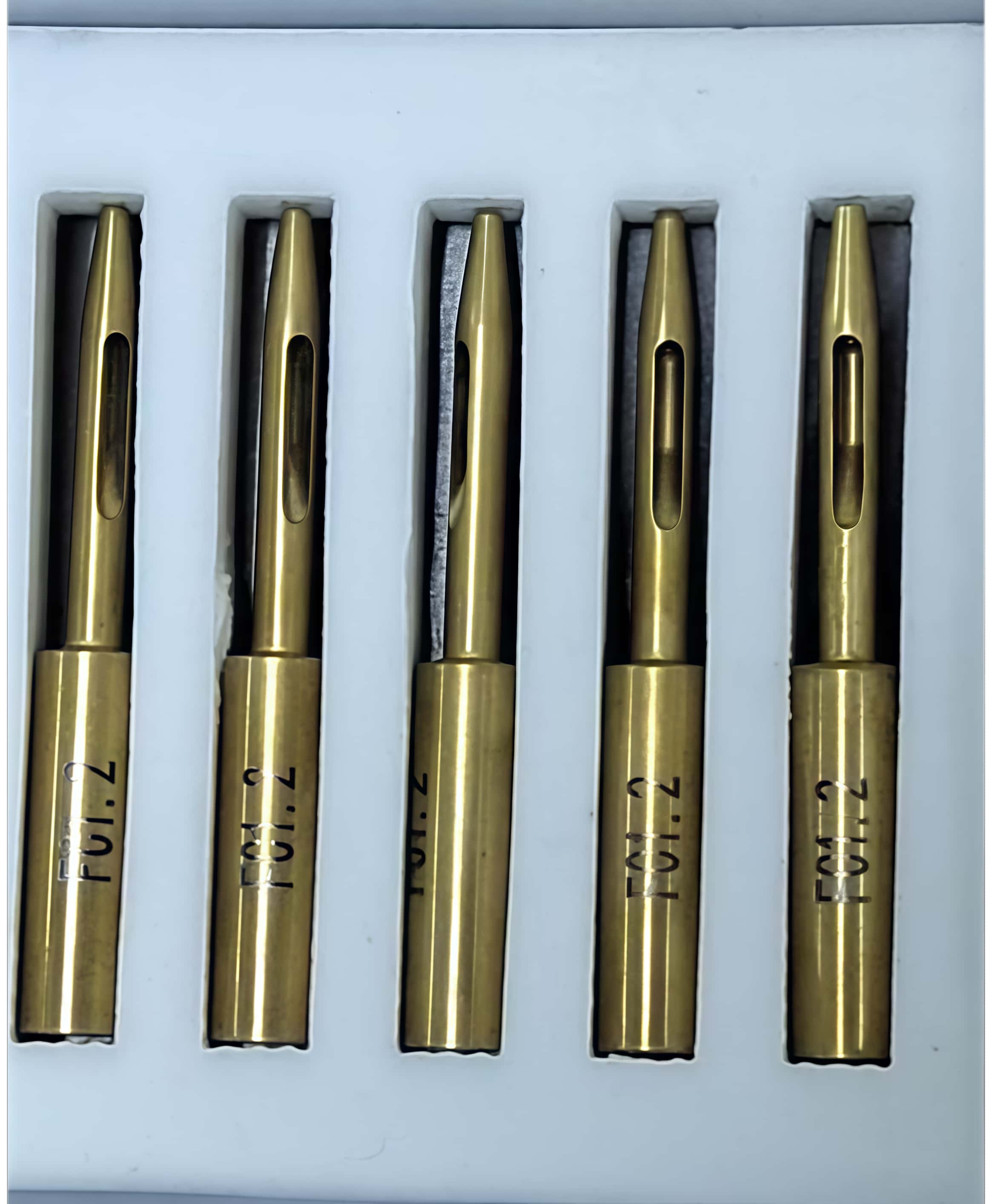
- Coated tungsten carbide notching and punching tools are most beneficial for high‑volume production, hard or abrasive materials (stainless, high‑strength steels, superalloys), or where long tool life and consistent quality justify the higher tool cost.
- For simpler or low‑volume work in mild steels, properly hardened tool steels (M2, A2, D2, etc.) may be more economical, sometimes also with PVD coatings if additional life is needed.
SHARE:


PREV : What impact do export controls have on China’s cemented carbide cutting tool market? NEXT : Zund CNC Cutting Knife Blade For Zund Digital Cutter Cutting Systems Flatbed Cutter