

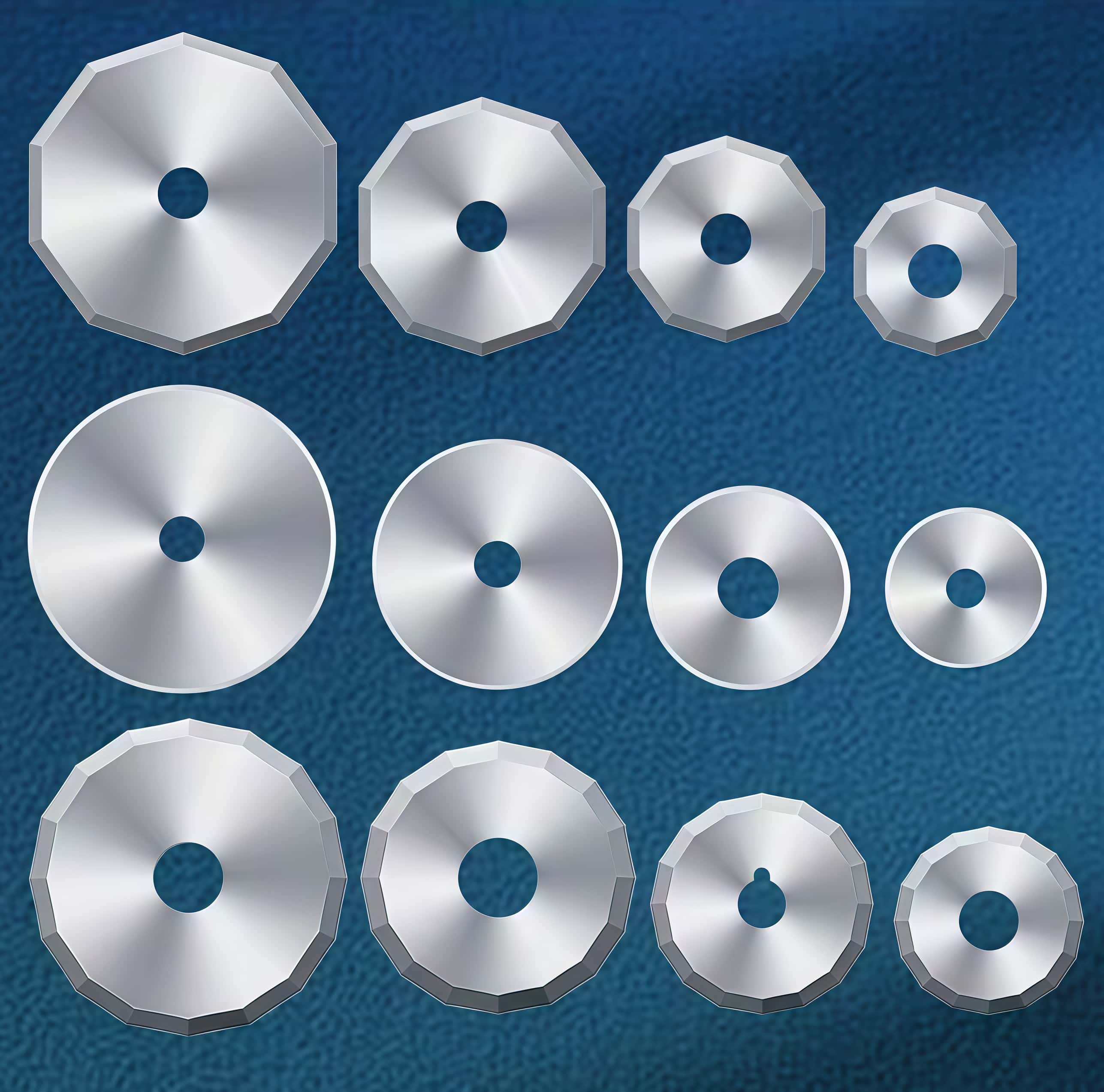
Tungsten carbide is an alloy that combines tungsten powder with a metal binder, usually cobalt or nickel, through a process called sintering. Before delving into the specific characteristics related to individual countries, it is beneficial to understand the general pros and cons of tungsten carbide as a material for knives:
Overall Pros and Cons:
Advantages:
- Exceptional hardness, reaching up to approximately 71–75 HRC.
- Outstanding edge retention, lasting 10 to 50 times longer than tool steel.
- Superior wear resistance and high thermal resistance.
Disadvantages:
- High brittleness, making it susceptible to chipping or breaking under stress.
- Heavy and dense material.
- Difficult to re-sharpen without diamond abrasives.
- High cost of raw materials.
Country-by-Country Overview:
China:
Advantages:
- Highly competitive prices due to access to domestic raw materials and large-scale production.
- Fast production times for standard sizes.
- Advanced technology in certain manufacturing sectors utilizing modern processes like Sinter-HIP.
Disadvantages:
- Variation in quality, ranging from top-tier products to low-quality blades with inconsistent cobalt distribution.
- Inconsistent quality control in lower-priced segments.
United States:
Advantages:
- Superior quality control with precise material consistency and reliable manufacturing standards.
- Advanced metallurgy with specialized grain structures for enhanced toughness.
- Reliable customer service and adherence to strict standards.
Disadvantages:
- High costs due to expensive labor and compliance with regulations.
- Dependency on imported raw materials.
Netherlands (and broader EU):
Advantages:
- Renowned precision engineering, ideal for industrial and medical applications.
- Production compliant with strict environmental and safety standards.
- High fracture toughness achieved through excellent treatment processes.
Disadvantages:
- High costs driven by European labor and energy expenses, with long lead times for custom orders.
India:
Advantages:
- Cost-effective production with competitive labor pricing.
- Expanding industrial infrastructure supporting carbide production.
Disadvantages:
- Uneven adoption of advanced technologies, leading to potential quality issues in lower-tier products.
- Longer shipping times to Western markets.
Canada:
Advantages:
- Focus on heavy-duty applications, designed for extreme conditions.
- High manufacturing quality with adherence to North American standards.
Disadvantages:
- Niche market focusing on industrial tools rather than consumer knives.
- High production costs similar to the US.
Taiwan:
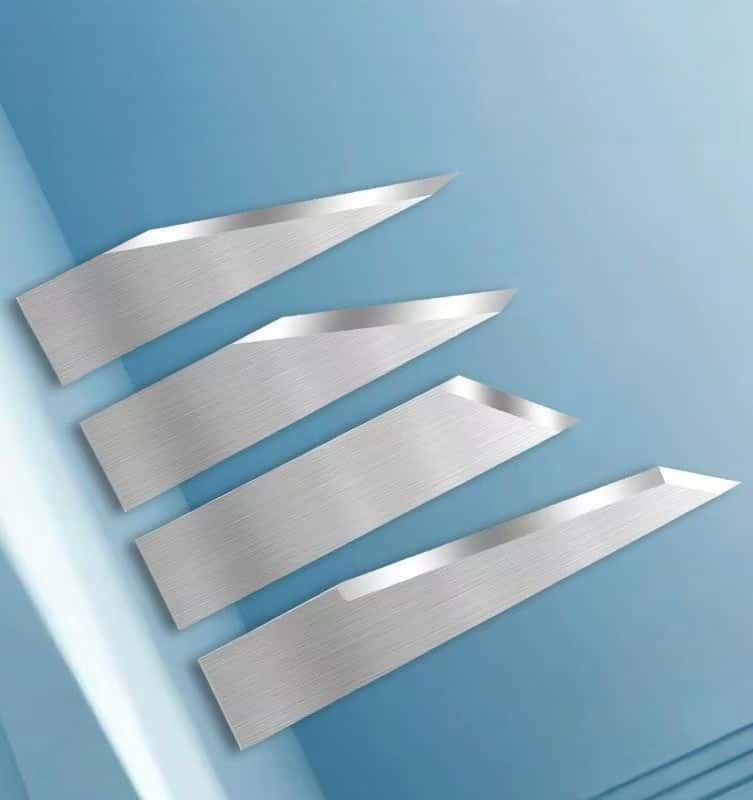
Taiwan is recognized for its expertise in precision CNC machinery and tooling, producing high-quality knives that strike a balance between cost and quality.
|
Country |
Primary Strength |
Primary Weakness |
Target Application |
|
China |
Unbeatable price, raw supply |
Inconsistent quality in lower tiers |
Mass production, affordable tools |
|
United States |
High quality, advanced metallurgy |
Very expensive |
Defense, medical, premium industrial |
|
Netherlands / EU |
Micro-precision grinding |
High price, longer lead time |
High-speed industrial, food processing |
|
Taiwan |
Excellent quality/price balance |
Reliance on raw material imports |
Mid-to-high end industrial & consumer tools |
|
India |
Low cost, growing capacity |
Mixed technology levels |
Budget industrial cutters |
|
Canada |
Heavy-duty, cold-weather design |
Niche focus, high cost |
Heavy industry, forestry, mining |
|
Poland |
EU-standard quality at mid-tier cost |
Limited direct brand availability |
Subcontracted OEM industrial blades |
|
Australia |
Built for extreme abrasive environments |
Low mass-market availability |
Mining, specialized industrial tools |


PREV : Esko Kongsberg Pcs Table Single & Double Edge Round Shaft Knife Blades 6 Mm For Static Cutting NEXT : MultiCam 84-00193-BT-572115 AXYZ B1041L-115 solid tungsten carbide oscillating knife blades